Showing posts with label Carignan. Show all posts

Sunday, September 22, 2019

ISRAEL is WHERE IT'S AT!

Bear with me if I sound like a broken record, but you know I go nutso over wines from less-common locales, and here's another one! I have long enjoyed wines from Israel, but two recent tastings catapulted the country to the forefront of my mind; the quality is amazing, the potential is HUGE, and the value is incredible. So banish those thoughts that Israel only makes grape-juicy Kosher wines already and get with the program!

It's a little funny that in one sense Israel is absolutely "Old World" -- it's one of the very first places ancient people grew grapes. But it's certainly "New World" in guts and style.

Here are some things to keep in mind:
  • There really is no clear "signature" grape of the region. In fact, Grenache was first planted only about ten years ago and is making some of the world's best already! As knowledge, experimentation, and technology grow, so will the quality and variety of Israeli wines.
  • Many bold Israeli reds are actually super-approachable, meaning they're not overly-structured and require years of cellaring before you pop them. These are meant to be drunk now!
  • This is a group of winemakers who are forging forward, breaking conventions, and doing it all with passion and a strong intellectual and environmental basis. They are Jewish, Muslim, Christian, and non-religious to boot. 
  • There are only about 35 commercial wineries, but around 250 boutique ones, and this number is rising as grape-growers peel off to make their own wines. Some of which are already achieving "cult" status!

Here are some of my standouts from those recent tastings:

2018 Five Stones “D vs G” White (David v Goliath) 
Appellation laws are fairly relaxed in Israel, so they have a lot of options for experimentation with blends. I initially had a "hmmmmm" reaction to this 60% Gewurztraminer 40% Sauvignon Blanc blend, as who thinks to put those two grapes together?! And I did feel it kind of butted itself in the head, BUT boy how it would go with the spiced and spicy food of the region. Typical "grandma's boudoir" Gewurz notes of dusty rose perfume with litchi, accompanied by SB's green, linear acidity. Outrageously long finish. I definitely warmed up to it! ~$30

2017 Recanati Winery Reserve Marawi 
Marawi is one of the indigenous varieties of the area now getting resurrected. This was first commercially released in 2014, and is the tricky story of a Palestinian grower who sells the grapes grown in his backyard to an Israeli company. (His name isn't released because they have had death threats on both sides, yikes.) Recanati also has their own vineyards, and produce a Roussane/Marsanne blend and an old bush vine Carignan, all farmed biodynamically. This had yellow fruit, sweet brioche, juicy apricot, lanolin, honeysuckle, and a little spice with smoky, flinty minerality. Long yet mild finish. Little Chenin Blanc-like. 1 year in French oak. ~$34

2011 Somek Carignan
This is from a single vineyard with 40-year old vines. The Someks are 5th generation winemaker-grapegrowers, so this is a family vineyard since 1882; the winery itself was founded in 2002. The family does it all, including marketing and distribution. This Carignan is aged 24 months in French oak and 2 years in bottle. Definitely earthy, terroir-driven. Cola, hi-tone blueberry, mocha dust, minerally, with licorice, brambly berries, wild sage, a little spicy, and has tightly wound, balanced tannins over a super long finish. Continues to be tangy after 7 years! And it's still kind of a baby. This will be fascinating in a few more years! ~$35

2016 Hayotzer Lyrica
Arza, Hayotzer's parent company, started in 1847! Here we have a GSM blend (40% Grenache, 35% Syrah, 25% Mourvedre.) Soft red and pink flowers, crunchy red fruit, white pepper, smooth and sexy, plush but juicy, whiff of smoke on finish, not super-complex but really tasty and I wanted to slurp it uuuup. ~$40

2016 Gvaot Masada
Shiva Drori, Gvaot's winemaker, is interested in the academic side of making wine; he does DNA testing, studies wine at a high level, and brings that information back to the vineyards and winery. The Masada is a blend of 56% Cabernet Sauvignon, 22% Merlot, 22% Petit Verdot, from rocky, steep, mountainous vineyards, with a huge diurnal swing; the elevation and diurnal keep the temperature in check and preserve the grapes' freshness and acidity. At my tasting, I thought this wine glass was not properly clean, muting the wine's aroma, and so this showed merely dusty on the nose. But in the mouth there was loads of tightly wound purple fruit (that PV really jumps forward!) leading to a big and structured, but balanced wine. Wow. ~$75

2016 Covenant Syrah
Covenant brought winemaker Jeff Morgan from Napa over to consult, and that has led to its growing cult status. This wine is 90% Syrah with a dash (10%) of Cabernet Sauvignon. It presents as liquid red fruit, spicy and juicy and lush and sexy, pepper, light savory notes, super balance of fruit/savory/spice/oak use plushness, wow! Lifted tang on long finish. Chewy. It brings voluptuousness without blousy-ness. ~$75

2016 Tura “Mountain Peak” Red
Another cult comes from the husband/wife team Vered and Erez Ben Sa'adon (she's the winemaker.) The Mountain Peak red is a blend of 47% Cabernet Sauvignon, 38% Merlot, 9% Cabernet Franc, and 6% Petit Verdot. Cassis, cedar, herbal liqueur, pyrazine, good acid once again, tangy juicy outrageously long finish. This is definitely a creative take on a CS-based Bordeaux-style blend. ~$75

2016 Segal “Unfiltered” Cabernet Sauvignon
The Israeli cults just keep on coming! Winemaker Avi Feldstein has boldly produced an unfiltered Cab since the days when that was a kind of blasphemy. This is a super-interesting wine, with cassis liqueur, bright red fruit, mocha, toasted coconut, a bit of shortbread. Wow. Really “red,” dense and intense. Long finish. Big but plush/approachable. Segal is owned by the large company Barcan — "big kids" in Israel sometimes acquire or start small wineries to have a garagiste offering. ~$60

2014 Golan Heights Winery Yarden “2T” 
Golan Height is one of the coldest areas in Israel, and much like the U.S.'s Old West, there are wild horses galloping along wide volcanic plains. This is one of the country's more classic wineries, and here they're showcasing how Portuguese varieties can shine in Israel. A blend of 69%Touriga Nacional and 31% Tinta Cão sourced from 2 vineyards in Golan Heights: Springs Vineyard at 700 meters elevation, and Geshur Vineyard at 400m. Aged 18 mo in 40% new French oak. Smoky, spicy mocha, black plum, blackberry, black cherry, lots of peppery spice on finish. Good combo of juicy, approachable fruit, some more savory notes, and balanced acid and subtle tannins on long, balanced finish.  ~$33

2014 Tabor Winery Malkiya Single Vineyard CS 
Tabor was founded in 1999 by four families of growers that have working there for five generations. This Cab is from a single vineyard at 726 meters elevation with Terra Rossa (the most famous soil of Coonawarra in Australia,) under topsoil, and lots of limestone rocks they refer to as “a lot of stars.” Viticulturist Michal Ackerman found this area and she convinced them to make wine there! Her vines' roots go down 20 feet so they have access to water and unusually for Israel don’t need irrigation. She’s also planting Malbec and Chenin Blanc in the Negev desert, so watch for those.  These Cabernet Sauvignon grapes are hand picked, they use only free-run juice, and it is aged 18 months in new French oak with an additional 1 year in bottle. Smoky, cassis, cedar, cloves, wow, VERY tasty, with the red fruit coming out more on the palate. Tightly wound, and it releases layers of flavors over an incredibly long, balanced finish. Would be fun to blind taste this on some smarty somms! ~$60


#          #          #

I don't know about you, but I am definitely planning to seek out more of these amazing wines from Israel. At the high end, maybe $60-75 bucks seems like a lot, but you'd be paying $150-300 for a similar wine from Napa, so these actually are a steal! Ask your merchants and somms about providing more quality wines from Israel; they may appreciate your "insider" know-how, but they also need to know you're interested in trying these stunning offerings. (Seriously, there was hardly a dud in the bunch, and I sampled over FIFTY wines.) I look forward to my next "visit" to Israel, for sure!

Cheers.


Wednesday, July 10, 2019

The Diverse Treasures of LODI

(thanks @WorldAtlas.com!)
I have long believed that the wine region of Lodi in California holds a tremendous amount of possibility; it seems that every single grape in the world grows well there. Sure, you'll find Cabernet Sauvignon, Chardonnay, and a host of other familiar names, but there is also everything from Albariño to Zinfandel; over 100 vitis vinifera grapes are grown in the area. And yes -- that is pretty darn unusual!

Lodi, located inland from San Francisco Bay, has a mild Mediterranean climate, and benefits from cooling breezes funneled in from the Pacific Ocean. Its local geography is so diverse, they can grow grapes from all over the globe in numerous plots and pockets boasting various microclimates. The winemakers of Lodi are leaders in sustainable winegrowing as well, and there is a palpable sense of them working together to advance the reputation of the region (not battling it out in competition.)

One may never master the incredible array of wines produced in Lodi, but a recent tasting reconfirmed the absolute deliciousness at every turn. Notes on some favorites are below (and I have added the "home base" for the varietals used just for funsies.)

#          #          #

2017 Belle Blanc
2018 Acquiesce Winery & Vineyards Ingenue:
Very intriguing!! Blend of the white Rhône varietals 35% Clairette Blanche, 35% Grenache Blanc, 20% Bourboulenc, 10% Picpoul Blanc. But don't worry about the grapes, just enjoy the dense, rich aromas and flavors of nectarine, straw, and ginger, layered over balanced acidity, leading to a tangy and intense wine. I admit I pre-judged the wine because of the abnormal bottle, but it delivers the goods! $32 (S France)

2018 Lange Twins Winery & Vineyards Aglianico Rosé:
This deep garnet-y pink may turn off some used to the paleness of Provence rosés, but Aglianico is a thick-skinned and dark grape variety so it makes a powerful rosé! No wimps allowed here, with super SHPICY rose petals and raspberry-strawberry fruit. Yum. $20 (Italy)

2016 Mettler Family Pinotage:
I have never had a Pinotage NOT from South Africa, so I was understandably wary. Welp, color me pleasantly surprised! This was super-complex and gorgeously balanced; blueberry, mocha, violet florals, with tangy acidity and light, grippy tannins. Intriguing all around. I shared it with a bunch of chefs I'd just done a wine class for and it was hands down wine of the night for them! $25 (South Africa)

2016 PRIE Winery Ancient Vine (1900) Block 4 Speaker Ranch Carignane:
Image result for michael david inkblotLose the wine-geekiness and just slurp up this delish bottle. Bright crunchy red and black cherry fruit, zingy acid, some spice and a whiff of florals. Just keep my glass full, please. $29 (S France/Spain)

2016 Michael David Winery Inkblot Cabernet Franc:
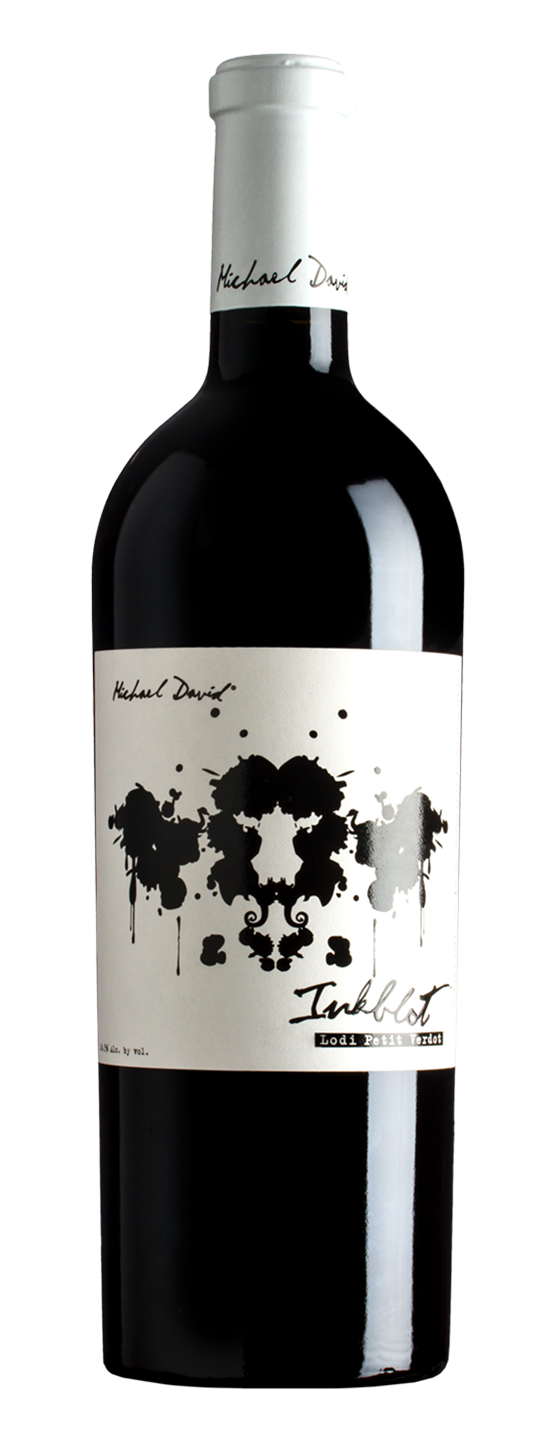
Y'all know I love a sexxxy wine, and this fits the bill! Dark, rich, dense, blackberry pie, cocoa/mocha, graphite, bit of herby earthiness, violets. Cab Franc can sometimes be a little too light or a little too green, and this has a dose of 8% Cabernet Sauvignon and 7% Petit Sirah to ground it. Intense and rich with subtle tannins. $29 (Loire)


#          #          #

Perhaps the amazing diversity of Lodi's wines will make it harder for the region to be given its due, as there is no recognizable specialty. But this diversity is precisely what makes Lodi wonderful. (And the price-per-quality ratio isn't bad either! While there were no "bargains" per se in this lineup, the quality here absolutely justified the cost.) So next time you want to try something a little unusual, by all means give Lodi a look -- I look forward to hearing about your discoveries, from Kerner, to Marzemino, to Zweigelt, and beyond!

Wines provided for review by snooth.com

Sunday, October 5, 2014

WINES OF CHILE—INVIGORATING!

Fact: Chile is a long and skinny country in South America that has cultivated wine since the Spanish Conquistadores arrived in the 1500s. Fact: Chile is one of the only places in the world where the devastating root louse Phylloxera failed to take purchase, so vines there are planted on their own roots. Fact: Carmenere in the vineyards there was long mistaken for Merlot, so it flourished in Chile while nearly becoming extinct elsewhere. 

All pretty substantial facts, where the world of wine is concerned, yes?

But also: Chile hasn't really been known for making quality wine until a few decades ago, so with relatively speedy advances in winemaking techniques and passed-along knowledge, there has been a kind of "secret" major growth in the Chilean wine industry. Wineaux, we can keep this secret no longer!
At a recent tasting of Chilean wines led by the always-engaging Fred Dexheimer, MS, and Hector Vergara, MS (South America's only Master Sommelier,) it became evident that the current generation of Chilean winemakers are infusing their industry with a fresh, invigorating breath. Experimentation and rule-breaking are the buzzwords, and the results are delicious. Not to mention, there are diverse styles of grapes—something for everyone—and the general price point is unbelievable for the quality. (Starred entries are particular favorites.)

*2013 Caliterra Tributo:100% Sauvignon Blanc from the coastal Leyda Valley. Pale straw gold color, fresh nose of kiwi and gooseberry, lemon-lime, papaya and lime curd. Well-balanced fruit and acidity, grass and fresh herbs emerge on the long finish, mid-palate minerality, a bit of kelp/seaweed, quaffable but complex. ~$15

2012 Casa Silva Sauvignon Gris: from over 100-year-old vines in Colchagua Valley, was thought to be Sauv. Blanc until 1998 when they discovered it was actually Sauv. Gris. Pale straw color, über-minerally, herbaceous, "hot" lemon, not overly acidic but it clings to the teeth, white pear and peach on the clean finish. ~$18

2011 Tamaya Chardonnay T Line Limited Release: Limari Valley. Pale gold, pineapple and cream, bit merde-y, warm apple pie. In the mouth, white florals, lime zest, chalky minerals, integrated use of oak. ~$15

2012 Clos des Fous Subsollum Pinot Noir: Aconcagua Coast/Pucalan/Traiguen Valley. The winemakers are four "crazy guys" who are seeking out unusual terrors and pushing boundaries. Fred said, "They don't care what anyone thinks about their wines," which I believe is often a good thing! And Hector opined, "It's a beautiful example of what's new in Chile. Wines with minerality—wines breaking barriers." Pale garnet/ruby. Underripe berries, very spicy, rose petal potpourri, stemmy bramble fruit nose. Very spicy in the mouth too! Tart cranberry, pepper/cinnamon, sour cherry, minerality, fairly tannic, decent acidity, very interesting. ~$22

*2009 Oveja Negra Carignan Single Vineyard: Maule Valley. Mostly Carignan though somewhat of a field blend, with Petit Verdot as a backbone. Medium ruby, warm, velvety nose of cherry liqueur. Elegant, fresh cherry/berry notes, warmth and integration on the finish, bit of licorice/bark, good acidity, integrated tannins. Very nice! ~$20

2011 De Martino Vigno Carignan: Maule Valley. In terms of experimentation, this winery is the first Chilean operation to buy large Austrian oak barrels, and they're working with concrete eggs and modern amphorae vessels as well. Medium ruby color. Pizza (!) nose—oregano, tomato, dough—and meaty with a high tone of perfume. Cherry jam, spice, earthy. The acidity lifts it up; I wasn't initially a fan, but this one grew on me and I kept returning to it. ~$35

*2012 MontGras Antu by Ninquén Syrah: Colchagua Valley. Medium ruby. Interesting nose of lilac, violets, pepper, blackberries, clove, licorice, and a bit of oak. Lightly spicy in the mouth, but it lingers. Less-ripe fruit on palate, but rich, long, integrated finish. Herby, juicy, touch of vanilla, touch of chocolate, very nice (I even drew a heart.) ~$12

2013 Viña Ventisquero Grey GCM: Colchagua/Apalta Valley. A bit of a takeoff on the GSM (Grenache, Syrah, Mourvedre) blends of the Rhône and Australia, this Grenache, Carignan, Mataro (aka Mourvedre) is a medium ruby, with a very clean and laser-like nose of red fruit, whiff of merde, and floral perfume. In the mouth, raspberry prevails, with cherry and savory notes of bay leaf, cinnamon, black pepper, and eucalyptus. Good acidity, soft but grippy tannins, this is really interesting. Fred calls these guys "thrill-seeking winemakers." ~$20

*2011 Odfjell Vineyards Orzada Malbec: Curico/Lontué Valley. Medium-plus ruby. Interesting nose! Liquid herbs, rosemary, sweet basil, with black cherry, violets, and smoke. Surprisingly lighter in mouth after such a powerful nose, with blueberries, spicy cigar leaf, iodine. Elegant with good tannins and lifted by acidity. Yum. ~$18

*2010 Concha y Toro Terrunyo Block 27 Carmenere: Cachaopal Valley. From one of the Chilean names you may recognize, the Carmenere from the "perfect storm" Peumo Vineyard has a medium-plus ruby color, and a nose of burnt cinnamon spices, graphite, coriander, and wood. In the mouth, plums, graphite and ashes, and very integrated tannins and subtle acidity make for a long, smooth finish. ~$38

One of my favorites was the *2011 Montes Purple Angel: Colchagua (Apalta/Marchigue) Valley. 92% Carmenere, 8% Petit Verdot. Opaque ruby color. Nose of mocha powder, lavender, ripe blue and black fruits. Incredibly dense in the mouth; cedar, "sweet" spices, fresh herbs, blackberry liqueur, bit of graphite/iodine. Very complex and lush, big but balanced, some acidity and sweet tannins. ~$75 (I was so hoping it was $12.99, but no dice!)

2010 Santa Rita Triple C: Maipo Valley. If you're looking for something "Evocative of Bordeaux with more fruit and spice," (says Fred,) look no further! 55% Cab Franc, 30% Cab Sauvignon, 15% Carmenere. Medium-plus garnet, nose of cranberry, bright green pepper, rose and violets, graphite, tobacco, cedar, tea leaves. In the mouth, fresh berry salad, very spicy, peppery, eucalyptus, cigar box, with subtle tannins. Certainly age-worthy. ~$43

*2010 Undurragua Altazor: Maipo Valley. From an "old" winery, this is a "new" wine; a Bordeaux-style blend, inspired by Vincente Huidobo, the author of the poem "Altazor." (80% Cab Sauvignon, 8% Carmenere, 8% Syrah, 4% Petit Verdot.) Medium-plus garnet. Harmonious nose of cherry liqueur, lots of lush, ripe red berries, cassis, smoke and spice, lots of cigar box, cedar, violets, cola, dried figs. Really elegantly woven together, dense and lush, very long, nuanced and harmonious (that is definitely the word for this wine,) finish. Velvety tannins. Oak not overly prominent, seamlessly integrated. Just WOW. I have to give it another star: * ~$70

With such diversity, it is really worth giving Chile the due it deserves. These wines were inspiring, and really spoke to the focused attention from their winemakers, especially where microclimates are concerned. And with so many quality wines under $20, you can afford to try a variety of Chilean wines yourselves. It's a no-brainer: when you need some invigoration, simply turn to Chile! Cheers.


Tuesday, August 20, 2013

SAYING 'SHALOM' TO ISRAELI WINES

The Minx is finding this a banner summer for exploring less-familiar wine regions: first Turkey, now Israel! You, dear reader, may already be acquainted with quality wines from Israel... but the majority of Wineaux are not, and there are a few reasons for this.

First of all, Israel lacks a defining grape or signature region that jumps out to make an easy association.

Unlike, say, the Bekaa Valley in Lebanon (which is known for growing Cabernet Sauvignon with an identifiable terroir tang,) Israel's wine regions grow many international varieties well.  Both Chardonnay and Sauvignon Blanc thrive, along with Riesling, Viognier and Gewürztraminer for the whites.  For reds, Cabernet Sauvignon, Merlot, and Syrah all produce many quality wines, and there is increased experimentation with Carignan and Petite Sirah.  In addition, a few indigenous grapes like Argaman (cross of Carignan and Portugal's Souzao) and Emerald Riesling round out the wide array.  Not to mention, wine is grown in nine major spots, from the northern Golan Heights region all the way south to the Negev, in a country roughly the size of New Jersey.

Israel also does not have to adhere to wine laws like many other countries in terms of appellation rules, so they are free to experiment in their vineyards.  While this is potentially a positive situation, it adds to the muddle.  Luckily, advances in technology are helping overall quality rise, so Israeli winemakers are starting to work towards defining a clearer Israeli wine identity.

But... they are also fighting "the 'K' word."

People often associate Israeli wines with lower-quality kosher offerings, which couldn't be farther from reality.  Not all Israeli wine is kosher, in fact, 80-90% of local winemakers are not even Sabbath observant. Winemakers from Israel will tell you that the biggest challenge they face is getting their wines out of the kosher section of the wine store... into the WINE section.  While Israel arguably makes the highest-quality kosher wines out there, detaching the labeling from the wine's level of excellence is another hurdle.

Israel is ripe for becoming a major player in the international wine arena, even with these obstacles.  There are many boutique wineries and self-trained winemakers, they don't hesitate to bring in experienced foreigners or send their youngsters out for training, they are looking to reduce yields for higher quality and they are experimenting with interesting blends.

Perhaps out of all of this, Israel's wine identity will start to take a sharper focus.  Until then, keep your eyes out for some of the following amazing Israeli wines and ponder Israel's wine identity for yourself!

2009 Barkan Wine Cellars Altitude +720
100% Cabernet Sauvignon; Galilee.  Great fruit and cedar nose, intoxicating, chewy, cheeky, approachable. ~$46

2011 Carmel Winery Kayoumi White Riesling
Galilee.  Water-white color, honeysuckle, hint of petrol.  Light acid, great character.  Yum! ~$24

2009 Carmel Winery Mediterranean
27% Carignan, 27% Shiraz, 27% Petit Verdot, 15% Petite Sirah, 3% Malbec, 1% Viognier; Galilee. Earth and spice.  Very, very soft finish with good fruit.  Quaffable.  ~$50

2009 Carmel Winery Sha'al Gewürztraminer
Galilee.  Single vineyard, late harvest - spice, florals, not overly sweet, good acid... great for food pairing!  ~$22/375ml

2012 Dalton Winery Rosé
Blend of Barbera, Cabernet Sauvignon and Syrah.  Unusual wow-nose of floral perfume.  Good acidity. Very yummy - great fruit, great length. ~$17
My notes are for the '10 - the
'11 is becoming available too.

2010 Dalton Winery Petite Sirah
Incredible nose!  Very dense; licorice, charcoal, blueberry liqueur.  Very, very nice. ~$22


2010 Domaine du Castel Grand Vin
Blend of Cabernet Sauvignon, Merlot and Petit Verdot; Judean Hills.  Cedar, earth, cassis.  Mouth-painting with lovely violet and red fruit notes.  Mmmmm.  ~$65

2007 Ella Valley Vineyards Merlot
Merlot with some Cabernet Sauvignon; Judean Hills.  Oak, dirt, terroir, little funk.  Soft tannins, though grippy in mouth.  Bright fruit, good structure. ~$30

2010 Flam Winery Cabernet Sauvignon Reserve
85% Cabernet Sauvignon, 8% Merlot, 6% Cabernet Franc, 3% Petit Verdot; Upper Galilee.  Earth, cherry-berry.  Loads going on!  Well-structured, great length and fruit.  ~$59

2010 Galil Mountain Winery Pinot Noir
Upper Galilee.  Very light in color.  Earthy nose, quite interesting with good elements but very lightly styled.  ~$20

2008 Golan Heights Winery Yarden Pinot Noir
Northern Golan Heights. Lots of floral perfume and earth.  Chewy fruit.  Very nice.  ~$16

2010 Gvaot Winery Herodion Cabernet Sauvignon
92% Cabernet Sauvignon, 8% Merlot; Shomron.  Bright berry color.  Nice round fruit, some earthiness, good acid.  Very pleasant wine.  ~$40

2005 Hevron Heights Winery Jerusalem Heights
Pretty even Cabernet Sauvignon/Merlot blend; Judean Hills.  Terroir, red cherry juice! Fairly soft and light but quaffable with supple tannins.  ~$33

2011 Recanati Winery Ltd. Carignan
Upper Galilee.  Pungent nose - loads of red and black fruits.  Nice florals on finish.  Very good!  And tasty - it keeps drawing you back.  ~$48

2009 Carmei Zvi Segal Bros. Segal's Single Vineyard Dovev Argaman
100% Argaman; Galilee.  I sought out this 'indigenous' grape to try it; this was earthy with lavender florals and black fruits.  Somewhat one-dimensional in the mouth, but brightly styled and interesting.  ~$36

2012 Teperberg Winery 1870 Terra Sauvignon Blanc
Shomron.  Grassy with tropical fruit, great acid, very nice elements and good length.  ~$18

2010 Teperberg Winery 1870 Terra Malbec
Judean Hills.  1st Malbec in Israel, I believe - very dark berries on the nose.  Soft and smooth.  Good for people who like lighter-styled wines with a rich flavor. ~$31

2010 Tzora Vineyards Misty Hills
55% Cabernet Sauvignon, 45% Syrah; Judean Hills.  Loads of cedar and cassis.  Spicy, a bit harsh in the mouth - needs food and/or a little time.  ~$60


A huge thank you to "Wines of Israel - Mediterranean Inspiration" for hosting a mini-wine tour, a discussion of modern Israeli winemaking with Josh Wesson and Alex Haruni, and a walk-around tasting.   My eyes were certainly opened, and I hope you venture out to try some wonderful Israeli wines soon. Cheers!