Showing posts with label Chardonnay. Show all posts

Wednesday, November 20, 2019

JHUZZH Up Your Turkey Day With These Amazing Wines!

It's that time of the year... all the wine writers' Thanksgiving recommendations! There are a lot of great ones out there, sure, and by all means heed whichever suggestions you want, but let me REALLY break it down for you:

Thanksgiving food is boring. Seriously, without that pop of cranberry, and maybe some green(ish) beans, the entire meal is a neutral palette. Nothing has spice or personality. So your wine has to jhuzzh up the entire feast… without overwhelming it!

This means pretty much any wine that’s not too heavy or overly fruity with gobs of acidity will do the trick — which gives you a LOT of options!!

Here are some of the Minx’s personal faves:

BUBBLY
Kind of a no-brainer. A) it’s a holiday, so let's celebrate! Plus b) the zippy acid and lively bubbles will complement every single kind of delish beige mush on your plate.

SAVE: NV Gruet Blanc de Noirs, New Mexico
A blend of 75% Pinot Noir and 25% Chardonnay, this fizz will have a scootch more round red fruit and depth, while still maintaining its freshness. Plus, it’s from New Mexico, so… ‘Murica! ~$17

SPLURGE: 2004 Dom Ruinart Rosé Champagne, France
This was the “meatiest,” most savory Champy I’ve ever had. (Might be due to an unusually high percentage of still red wine added in? Either way…) Utterly captivating. Roasted orange peels, iodine, fresh herb garden, sweet summer strawberries, toasty brioche, candied ginger, dried rose petals… total splurge, but worth every penny. ~$325

CHARDONNAY
But get a good one. Chard is a kind of neutral grape, but it can sing if coaxed into its own by a deft winemaker. A more mineral-driven, lean style (say Chablis) will vibrate through the meal like a plucked high piano string, while one with more oak influence will bring out the spice of the sweet potato and pies.

SAVE: 2017 Charles Smith Eve Chardonnay, WA
I tell you over and over to snap up Smith’s value offerings because they always deliver! This Washington State Chard ticks all the boxes — fruit, acid, bright but with depth — at a price that can’t be beat. ~$10

SPLURGE: 2015 Kistler Les Noisetiers Chardonnay, CA
Big and round with buckets of rich fruit; peach, apricot, pear, a meadow full of white flowers, some baked apple pie… perhaps a hint of grilled pineapple and some dried herbs  too  this Kistler Chard with a few years of age will be a meal unto itself. ~$65
OTHER WHITES:
I also love a Grüner Veltliner or Furmint for Thanksgiving; they can have savory notes like celery and white pepper or ginger and spice, and both have strong acidic backbones. 
SAVE: 2017 Evolúció Tokaji Furmint, Hungary ~$12
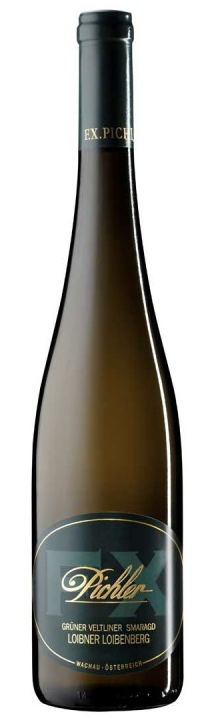
SPLURGE: 2017 FX Pichler M Smaragd Gruner Veltliner, Austria ~$80

ROSÉ
How many times do I have to say it? Rosé is a red wine in a white wine’s body — the best of both worlds! You could literally have ANY quality rosé on Turkey Day and you’ll be happy. I might pop these:

SAVE: 2018 Anthony Road Rosé of Cabernet Franc, NY
This Fingerlakes producer coaxes the perfect balance of red cherry fruit and herbs out of Cab Franc; supremely quaffable all year round. It's so slurp-worthy, I'm drooling just writing this. ~$16

SPLURGE(ISH): 2018 Hersly “Mae” Rosé, CA
100% Merlot, from a small single vineyard in Calistoga, this juicy, vibrant rosé is packed with fruit, yet has plenty of structure to hold it all together. The Herslys are a husband-wife team producing some seriously good juice; this, their first rosé, is named after their sushi-loving dog Mae, who is featured on the label. (She was a rescue, so portions of the sales of this wine go to support animal rescues and shelters!) ~$28

RED
Here’s where the fun happens! Yes, Pinot Noir is the classic high-acid, zesty, cherry-berry and herby-earthy, low-tannin red, and you can find great examples from the Willamette Valley in Oregon or from New Zealand, not to mention the rhapsodic icons of Burgundy. But why not try something a little different this year?

SAVE: 2017 Hillinger Zweigelt, Austria
An Austrian specialty, Zweigelt is a crossing of St-Laurent and Blaufrankish (< also good for Turkey Day!) Like a lighter Pinot Noir, expect spicy cherry notes, maybe a bit of cinnamon. Lip-smaking! ~$16

SAVE: 2015 Pietro Caciorgna Etna Rosso Ciauria, Sicily
Red wines from Sicily’s Mt. Etna region are based on Nerello Mascalese, which thrives in the volcanic soil there. This has crunchy red fruit and great woodsy earth and herbs, buoyed by rose florals. While fresh and invigorating now, it also has serious staying power (grab a few bottles, and see how it evolves next year!) ~$22

SAVE: 2016 Avancia Mencia Cuvee de O, Spain
Mencia is one of those grapes you wonder why everyone doesn’t know about it already. This one is like a bowl of blackberries dusted with mocha powder and black pepper that you eat in a freshly-tilled field. More on the oomphy side, but still kept fresh by its acidity. ~$15

No matter what you decide, I hope you spend a wonderful Thanksgiving with your friends and family. Let me know what you end up popping, and how you enjoyed jhuzzhing up the big meal! 

Cheers.

Wednesday, November 21, 2018

WHAT TO DRINK WITH THE BIRD!

Image result for turkey and wine
image: foodandwine.com
Hi Wineaux -- I know this is last-minute, but a lot of you have been asking, so I'm putting down my study books and closing my script and ANSWERING YOUR CALL.

Thanksgiving can be a crazy time; figuring out what to drink shouldn't be. There are a few basic things to keep in mind:

1) Lots of Turkey Day food is, well, bland. Potatoes, stuffing, turkey... YAWN. Your wine should provide the PIZZAZ! However, now is not the time to pop open that super-concentrated, oak-aged, dense, intense Cab. It'll overwhelm.

2) You might love and appreciate wine, and Aunt Frieda is definitely a Wineau, but the rest of the fam? Maybe not. Look for excellent values, so when Uncle Fred puts ice cubes and a packet of Splenda in his red, you won't pass out.

3) Acid is always your friend, when it comes to food-and-wine pairing. You might not first think of red wines with turkey, but a high-acid red... PERFECTION.

Let's get to it! (PS all of this goes for the rest of your holiday dinners as well!!)

ALWAYS A WINNER: Champagne
Yes, this might violate guideline #2, but substitute a good-value sparkling wine made in the Champagne method and you're good to go.
Image result for taittingerWHY? Bubbles! Festive! And its acidity and rich toasty nutty flavors will pair perfectly.
Value -- Lucien Albrecht Crèmant d'Alsace ~$17, Gruet Blanc de Noirs (NM) ~$14 Louis Boillot Crèmant de Bourgogne Rosé ~$20.
Mid-price -- Taittinger Brut La Francaise Champagne ~$38, Moet & Chandon Brut Imperial Champagne ~$38.
Splurge -- Krug Grande Cuvée Champagne ~$160,  Billecart-Salmon Brut Rosé Champagne ~$75.
Image result for ca montanari lambrusco

DARK HORSE: Lambrusco
Skip the sweeter inexpensive versions and head straight for this herby, dark-fruited Italian bubbly.
WHY: Also bubbles! Rich earthiness and plum/blackberry fruits are lifted by its freshness.
Ca Montanari Opera 02 Lambrusco ~$17, Zanassi La Grasparossa Lambrusco ~$13.


FRESH AND FRUITY: Beaujolais
If you're tempted to throw a Beaujolais Nouveau in your cart, I won't stop you. But the mass-market ones are so ephemeral, you'll miss the gloriousness of what a Beaujolais with some oomph and character can give. If you do want in on the fun, ask for a smaller, recommended producer. Non-Nouveau is a different story! And named crus (named regions, like Morgon below,) will cost a bit more, but will definitely deliver, so a splurge here is worth it!
WHY: Gamay (the grape) is bright, fruity, and fresh. Flirty personality, and smooth sailing. And most are under $20-25.
Value -- Ch. du Basty Lantignié Beaujolais ~$12, Pierre-Marie Chermette Beaujolais ~$14
Splurge -- Marcel Lapierre Morgon Beaujolais ~$40


ALSO
A lighter-style Shiraz/Syrah shpicy crowdpleaser like Charles Smith Boom Boom Syrah (WA) ~$13 (I'm bringing this to our company's TGiving!)
2016 J. Lohr Chardonnay Riverstone 750MLHeavy-duty but real fruity oak-influenced Chardonnay like J. Lohr Riverstone Chardonnay (CA) ~$11 (This has been my dad's "house wine" for decades!)
A white with savory elements like a dry Furmint (Hungary) like Evolúció Tokaji Furmint ~$12 (I am obsessed with dry Tokaji!)
Or a Grüner Veltliner (Austria) with its white pepper/celery character, yet often with yummy stone fruit like the Weszeli Langelois ~$17
I'm also a sucker for a delish Sangiovese: Villa Sant'Anna Chianti Colli Senesi ~$19 or Antinori Santa Christina Chianti Superiore ~$13. Other Sangiovese wines are Rosso di Montalcino ($20-30 range,) and Brunello di Montalcino if you want to get a bit more splurgy, ask for good (and good-value) producers from your purveyors.
Other high-acid reds to look for: Pinot Noir from all around the globe, Zweigelt, Blaufrankish.

As always, many of these may not be available in your local wine shop; bring this list with you and ask for comparable suggestions! Your wine merchant should be your new best friend, always. This is just the tip of the iceberg; there are so many suggestions, you really can't go wrong... let me know what you paired with YOUR bird!!

Cheers.

Wednesday, January 6, 2016

CHAMPAGNE PIPER-HEIDSIECK ~ Lunch with Chef de Cave REGIS CAMUS

People who know me have heard me say, "If I could drink Champagne all day long, every day, I would." So it should be no surprise that when I had the chance to dine with Piper-Heidsieck's award-winning Chef de Cave Régis Camus, I jumped. On a balmy November day, I joined him and a few other Wineaux at Koi Soho for an incredible lunch, paired with an array of Piper Champagnes.

We began with the ubiquitous red-labelled Piper-Heidsieck Brut NV: notes of brioche and lemon, clean, with a sublime mousse, bright yet rich. 100% malolactic fermentation but still so fresh. ~$45. Lifting his glass, M. Camus said, "The first glass is the best of the day." So true.

Champagne lovers know that a NV wine isn't a "second runner-up" to the vintage-declared bottlings. A NV blend represents the identity of the Champagne house, as it is crafted year to year to achieve the house style using reserve wines and different percentages of the three permitted varietals (Chardonnay, Pinot Noir, and Pinot Meunier,) from a base vintage. When I asked M. Camus if he had favorite reserve wines that he was perhaps reluctant to use up, he said, a tad derisively, "Others want to hold, like museum. The Chef's job is to keep using wines." I took another sip, savoring the generous history in my glass.

Blending also occurs with a vintage wine, but with different varietals and vineyards, not years. The Piper-Heidsieck Brut Vintage 2006 (49% Pinot Noir, 51% Chardonnay) was sourced from 16 Grand and Premier Crus (rated vineyards) during a "challenging yet rewarding" year marked by a wide range of weather. It had a yeasty nose with a strong tangerine element, and was rich and floral with an incredible length of fruit. Vivid, generous, gorgeous minerality, balanced acidity, strong mousse. ~$80. M. Camus called this "The Diplomat," and with a little prodding, I discovered he has nicknames for all of his vintage-designated Champagnes — 2008 was "The Diamond," 2004 was "The Marathoner." Love it! Toasting with the 2006, M. Camus said, "The second glass... is the best of the day." Agreed.

A Champagne house's Tête de Cuvée, or Cuvée Prestige, is its jewel in the crown. For Piper, that is the Rare, and they have only released EIGHT vintages of Rare sine its debut in 1976. As winemaker, M. Camus can take the gloves off and use complete creative freedom to craft a spectacular wine. The Piper-Heidsieck Rare Millesime 2002 (70% Chardonnay, 30% Pinot Noir) has a bold nose of baked lemon and brioche. It is luxe beyond belief, with a creamy mandarin curd finish. Disgorged in 2012, this spent 9 years on its lees, and has the oomph to be cellared for another 20. ~$180. As we raised our glasses, I said, "Let me guess: the third glass…" and we all chorused: "is the best of the day!"

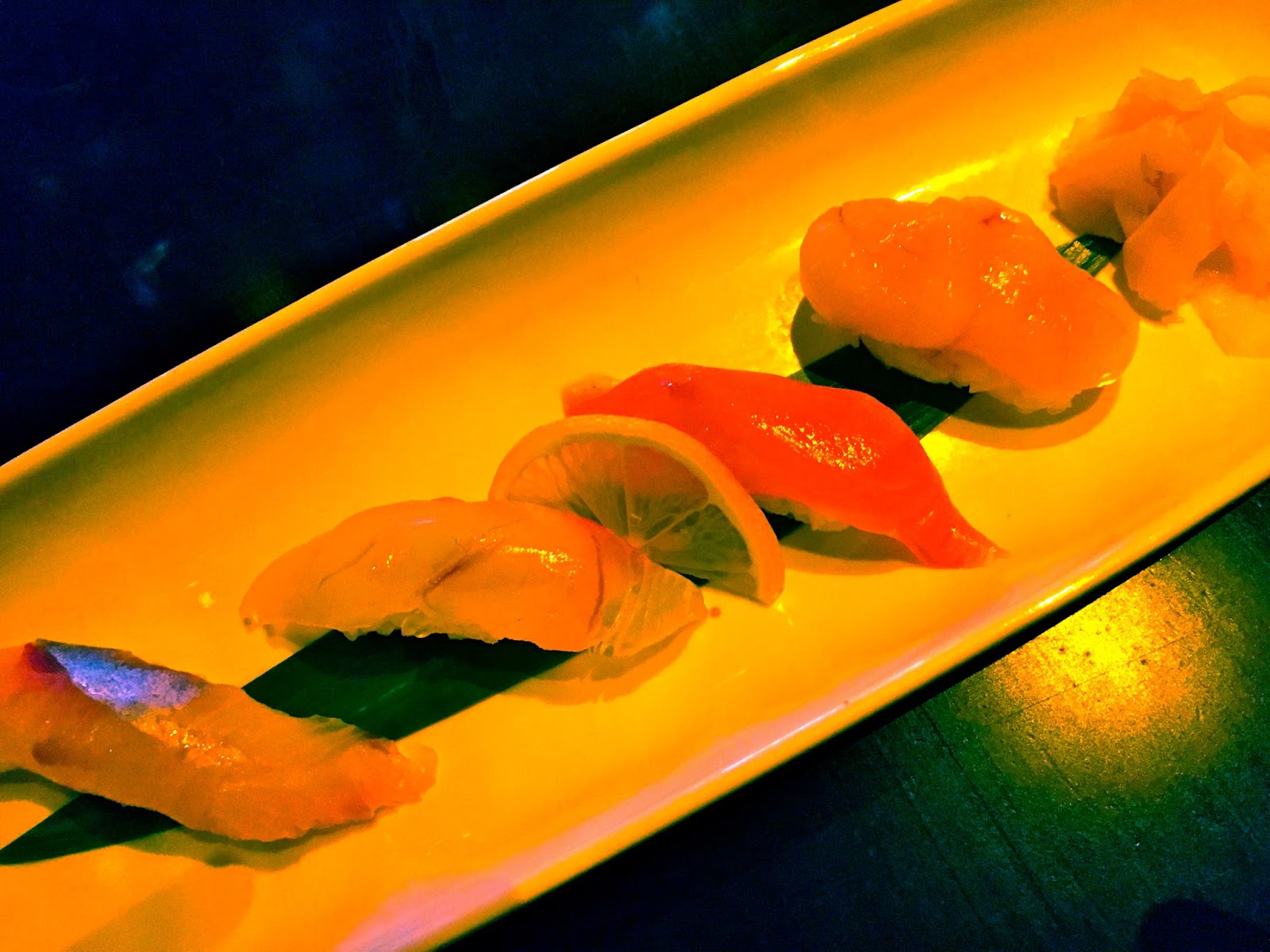
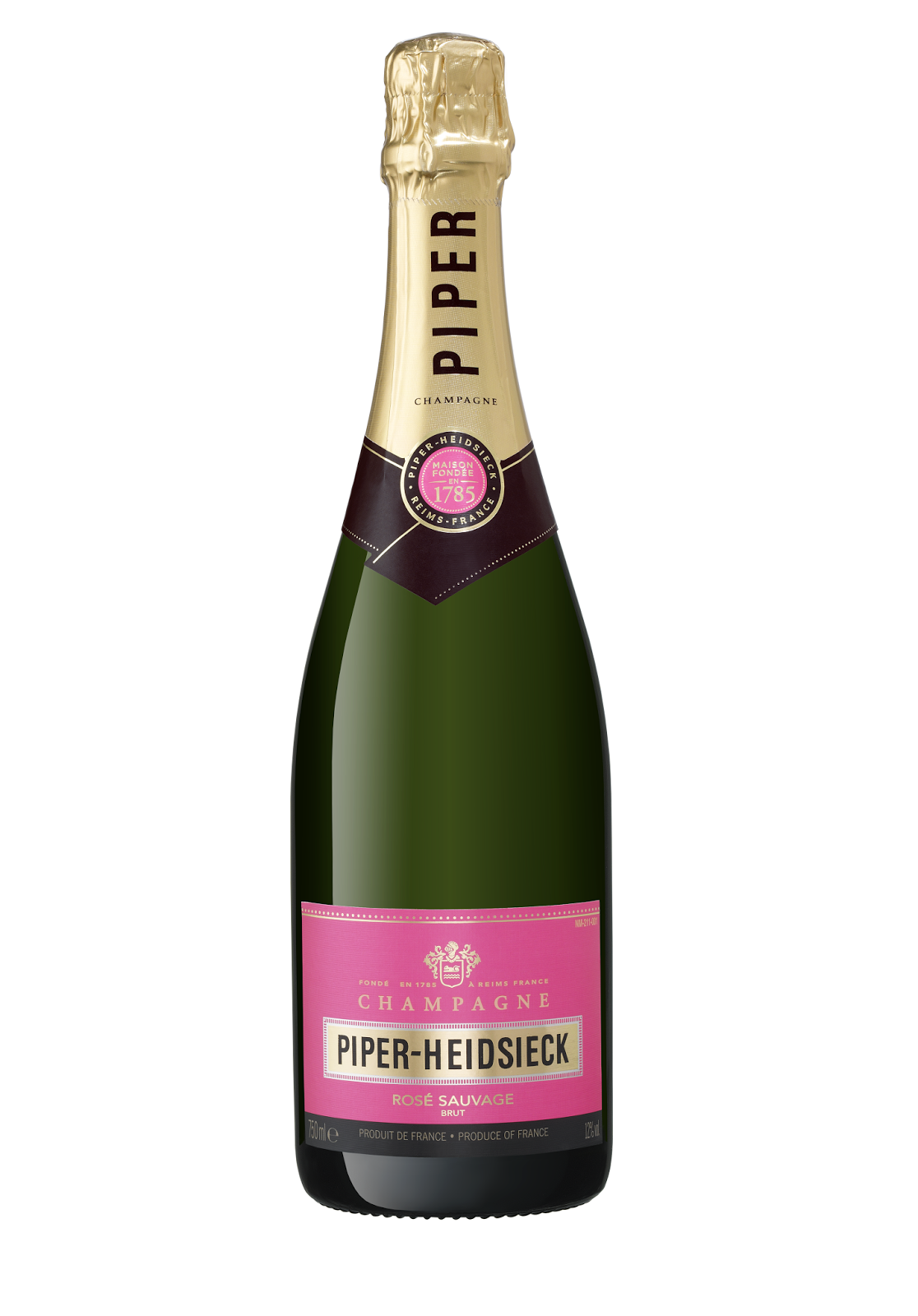
Most of the courses at Koi Soho have an Asian flair, and it doesn't take a Master Somm to pair Champagne with sushi... but how about red meat? Well, for a winter lamb chop, look no further than the Piper-Heidsieck Rosé Sauvage NV (55-60% Pinot Noir, 20-25% Pinot Meunier, 10-15% Chardonnay, with some "vin de couleur," or still Pinot Noir, in the mix.) This was a deep, vibrant pink, with very fragrant strawberry notes, candied cherries, grapefruit, and roses, with a subtle mousse. Like the NV Brut, the rosé is blended from a base wine (in this case, 2010,) and a large number of reserve wines. M. Camus implied this rosé is one of his toughest wines to make; the color should be consistent from year to year, Pinot Noir could overwhelm the blend but shouldn't, and some vintages, crops of Pinot Noir don't pass muster for the rosé. But it's worth it; the Piper Heidsieck Rosé is another very striking, yet elegant, wine. ~$60.

Finally, we headed into dessert with the Piper-Heidsieck Cuvée Sublime. (55-60% Pinot Noir, 20-25% Pinot Meunier, 10-15% Chardonnay.) This is a Demi-Sec, which means it has a higher dosage (added sugar) and will exhibit apparent sweetness. But make no mistake, this is not a syrupy, cloying dessert wine. Think of it more like a voluptuous bombshell pin-up! Notes of marzipan, pineapple, vanilla cupcake. Delicious fruit, extremely well-balanced. (My notes have "delicious" again.) It certainly paired well with the dessert course, but would be a heady experience on its own. ~$50.

Although M. Camus has been named "Champagne Winemaker of the Year" by the International Wine Challenge eight times, Piper-Heidsieck doesn't command consumers' attention the way Perrier-Jouët or Möet & Chandon do. What does that mean for you Wineaux? Simple: incredible Champagnes at comparatively bargain prices. Perhaps Piper-Heidsieck doesn't have the reputation of other large houses, but it is a mistake to pass over these incredible wines. The cultivation of the vintage offerings and the high percentage of reserve wine in the NV bottlings belies the price points. In general, the Piper style is bold yet elegant, and who doesn't want that in a Champagne! So go seek some out, and let me know if you agree.

Many thanks to M. Camus and to my friends at Terlato Wines for a delicious luncheon and the unique opportunity to drink gorgeous Champagnes with their Chef beside me. I look forward to tasting with M. Camus again someday (and perhaps inspire a nickname for a future vintage —"The Minx"?!)

Cheers!

Monday, June 1, 2015

Up Close and Personal with AUSTRALIA'S FIRST FAMILIES OF WINE

At first, the concept made me cringe. "Speed dating" with Australian wine producers? Ugh. Yes, it reminded me of a few actual cringe-worthy speed dating events in my past—but at trade tastings, I like the freedom to bounce around, to spend as much or as little time at a table as I'd like, and to leave before a winemaker launches into a dry spiel of how many months in what percentage of what age of what kind of oak.

But it ended up being a ball (save for the Pavlovian stress to hurry up and move tables when the bell rang,) and it was a great way to get an incredible overview of Australia's quality wine.

Australia's First Families of Wine is comprised of twelve winemaking families that have been crafting wine all over Australia for generations. They believe that their legacy and high standards of winemaking should earn them the same respect and renown as the other standout wine regions of the world like Bordeaux, Burgundy, and Napa. But with one exception (Penfolds Grange Hermitage,) Australia is mostly associated with punch-you-in-the-jaw alcoholic Shirazes and oaky-butter-bomb Chardonnays, or cheap-and-cheerful "critter" wines (named for the animals that dot their labels,) not elegant and pedigreed world-class stunners.

And that is just plain WRONG.

Eleven of the twelve families were on hand recently in New York City to share some wines from their personal cellars—some current releases, many not—and I had the very atypical experience of loving almost every single wine poured. (Normally my notes are dotted with the occasional star, but I had to stop drawing my stars after I had done six in a row.)

So join me for a moment, won't you, as I share with you my "speed dating" journey, (without the $!#*@% ringing bell.)

WAKEFIELD — Clare Valley, South Australia (with its heralded Terra Rossa soil.)
Self-described as "proudly New World winemakers but obsessed with Old World finesse."

2012 Wakefield St. Andrews Shiraz: Single vineyard. Spicy, smoky nose, with muddled cherry. Very silky and smooth.  ~$65
2009 Wakefield The Visionary Cabernet Sauvignon: Great black currant, blackberry nose. Rich and tasty, some tartness at finish. Bright vibrant cherry fruit on palate with balancing acidity and soft tannins. ~$200

BROWN BROTHERS — NE Victoria, slopes of Australian Alps.
Ross Brown says the goal of the family is to make "fine and elegant" wines. 

2010 Brown Brothers Patricia Chardonnay, Yarra Valley: Yellow apple and kiwi on the rich nose. Leaner in the mouth, minerally and citrus notes. Definitely trying to move away from the oaky/buttery style, Ross said, "we don't want oak to be a flavor. We want it to be a complexor." ~$40
2000 Brown Brothers Patricia Sauvignon, King Valley: Amazing nose, cassis, sweet cigar box, buttered toast, damp earth. Smooth, fine and elegant (see above, check!) Woody feel, herbs, and bright cherry to balance it out. ~$60


TYRRELL'S — Hunter Valley, New South Wales.
Another of Australia's prominent wine families, Tyrrell's has racked up numerous awards over the years. 

2010 Tyrrell's Wines Vat 1 Semillon: Varietal nose of wax, lanolin, and sour cream. Lovely white peach in the mouth. Clean and crisp. Winemaker Bruce Tyrrell said, "What you see there is what came out of the vineyard." ~$50
2011 Tyrrell's Wines Vat 9 Shiraz: Light red fruits and aromatic violet and rose florals. Medium-bodied, with zingy acidity, and bright, almost underripe fruit. ~$50

CAMPBELLS — Rutherglen, Victoria.
Colin Campbell is the current patriarch of this family winery dating back 145 years.

2006 Campbell's The Barkly Durif, Rutherglen: sumptuous violets and dark cherry perfume. Rich and smooth with blue and black fruits on the palate and integrated tannins. ~$55
NV Campbells Rutherglen Muscat: Dark copper color, very dense. Sweet cigar leaf, tangerine peel. Forest floor balances out the sweetness. ~$20/375ml bt.
NV Campbells Merchant Prince Rare Muscat: almost opaque molasses color. Incredibly viscous. Just stunning! Herbs, burnt caramel, bit of balsamic, great acidity. WOW. ~$85/375 ml bt.


YALUMBA — Eden Valley/Barossa Valley, South Australia.
 Founded in 1849, Yalumba is Australia's oldest family-owned wine company.

2012 Yalumba The Virgilius Eden Valley Viognier: Meyer lemon, green leaves, panna cotta, ginger, stone fruit, very spicy. Attractive. ~$32
2012 Yalumba The Signature: About 50/50 Cabernet Sauvignon and Syrah. Very purpley, with loads of complex fruit. Warm and spicy, good acidity, soft, silky tannins. Rich and flavorful but finish lifts it. Doesn't smack you. Still a baby! Try again in 10, 20 (30?) years. ~$50

HENSCHKE — Eden Valley, South Australia.
Fifth-generation winemaker Stephen Henschke brought along some gems, the Cab named after his father, and a ten-year-old bottling of the iconic Hill of Grace.

2010 Cyril Henschke Cabernet Sauvignon: spicy, smoky nose, with plum, black pepper, violets, herbs, and cassis. Bright fruit, smooth mid-palate, components very well balanced, with a delicious and spicy finish. 84% Cabernet Sauvignon, 13% Cabernet Franc, 3% Merlot. ~$150
2005 Henschke Hill of Grace Shiraz: Aromas of baked red fruits, very smoky, sage and black pepper notes. ("Very Eden Valley aromas," agreed Stephen.) Somewhat savory note, like a tomato/oregano sauce. Just amazing—elegant, with fine tannins. Everything blends together in a warm bath of deliciousness. YUM. (Not your "big, ripe, jammy" Shiraz.) More, please. ~$600

DE BORTOLI — Victoria and New South Wales.
The De Bortoli family immigrated to Australia from Northern Italy in 1928, and their wines combine Italian family values and Aussie terroir. 

2014 De Bortoli Yarra Valley Estate Grown Pinot Noir: Verrrry berrrry nose. Full-bodied style, with very tasty complex fruit and soft tannins. Clean and delicious. Minerally finish with integrated acidity. Whole bunch fermentation. ~$25
2011 De Bortoli Noble One Botrytis Semillon: The Noble One wines were created in 1982, inspired by the 1975 Ch. Coutet Sauternes. Botrytis and caramel on the nose, nice acidity to balance, so a clean finish (not cloyingly sweet.) Kumquat, other citrus, bit of caramel. Lovely. ~$27/375 ml bt.

JIM BARRY WINES — Clare Valley, South Australia.
The late Jim Barry was an iconic figure in Australian winemaking. His son Pete Barry was on hand to share some of Clare Valley's star Rieslings.

2014 Jim Barry "The Lodge Hill" Dry Riesling: wild white flowers and lime zest on the nose, in the mouth, those flavors are balanced by minerality and a spicy finish. Very dry and clean. ~$17
1999 Jim Barry "The Lodge Hill" Dry Riesling: I can say I've never had a 16-year-old Clare Valley Riesling before... but now I want more! Medium-gold color, toasty, honey nose. Lanolin, petrol, with marmalade on finish. Still good acidic backbone. Wowzers. ~$30


D'ARENBERG — McLaren Vale, South Australia.
D'arenberg was founded by the Osborn family, and wins the Cheeky Award hands down. Winemaker Chester Osborn (who has a matching eclectic fashion sense) even brought props to help illustrate the way his wines get so creatively named. 

2012 d'Arenberg The Money Spider Roussanne: Named for the tiny "money spiders" that mysteriously covered the first crop of the 2000 vintage (believed to bring good luck via money.) Green and herby nose, delish fruit mid-palate, lemon curd, straw, key lime pie. Slurp. ~$25
2006 d'Arenberg The Ironstone Pressings: 70% Grenache, 25% Shiraz, 5% Mourvedre. "Only foot-trod once... yeah, we pretty much left it alone," says Chester. Incredible licorice on the nose, with smoke and cigar ash. Kind of a dry-aged-beef-char thing. Juicy but not overripe. Long (oddly lip-numbing?!) finish. ~$65

MCWILLIAM'S — Tumbarumba/Hilltops, New South Wales.
This six-generation company makes a variety of well-regarded, diverse wines. Scott McWilliam brought a pair of wines at a great price point.

2013 McWilliam's Appellation Tumbarumba Chardonnay: Nose of lemon and fresh herbs, with a light toastiness on the very long finish. Minerally and finessed. ~$25
2012 McWilliam's Appellation Cabernet Sauvignon: Rose petals! on the nose. Very herby and green, with berries—somewhat zingy and fussy at the moment, but like a kid in the "Terrible Twos," I think it'll evolve nicely. ~$25

TAHBILK — Nagambie Lakes, Victoria.
The oldest family-owned winery in Victoria, Tahblik also boasts a unique microclimate. Alistair Purbrick brought us a pair of mind-blowing Marsannes (one of which made me break out my stars again.)

2008 Tahbilk Museum Release Marsanne: A totally "YUM" nose of butter, marzipan, toast, cream puff, and honeysuckle. Wow. This drinks like a warm summer's day feels. Excellent weight, good length. Wow. Stars all over the page. ~$22
2006 Tahbilk 1927 Vines Marsanne: Intense perfumey nose, white and yellow flowers, warm and rich, viscous, sour lemon. Yet seems a wee bit schitzo as it's beautifully fresh and clean on the palate. Even though this was two years older than the prior wine, it tasted younger (due to totally different winemaking styles.) ~$35

#       #       #

Wineaux, I tell you that even writing this post made me revisit my bliss and across-the-board delight at what these families had to offer. (So much so that I just ordered half a case of the '08 Tahbilk Museum Marsanne so I could prolong my joy even further!) And while the delectable Hill of Grace is up there, most of these astonishing wines are relatively affordable. It certainly is worth it to give Australia's fine wines the chance to measure up with the rest of the world's. 

Cheers!

N.B. Not all of the above wines are readily available in the U.S., but I doubt it will take long to see more of them on our shores.


Monday, March 30, 2015

GRANDES PAGOS de España ~ Spain's Single Estates

It might seem obvious that, in general, the smaller the parcel of land from which a wine is sourced, the higher the quality. Wines labeled with a large region tend to be entry-level, and then the more telescopic you go—from large region to mid-size region to small region to sub-region to single vineyards—the quality expands exponentially.

In Spain, for many years, large conglomerate companies oversaw wine production, sourcing grapes from areas all over the country. It wasn't until 2000 when a small group of producers stood up for their single vineyard/single estates (called "pagos") and founded what has become the Grandes Pagos de España. This is not a commercial group—they have different importers, for example—but they do share technical expertise, winemaking knowledge, and they've banded together to promote premium, quality wine from all over Spain.

During a recent tasting sponsored by the group, I got to sample some old favorites and meet some new ones. The wide range of styles, sub-regions, and grapes was a little muddying perhaps, but the fact remains that most of these wines were fantastic examples of craft and terroir.

2007 Cava Gramona III Lustros: medium-minus gold color. Warm, toasty almond. Lemon zest. Very bright, lots of minerality. Reflects its gravelly/sandy soils. Zippy acidity on the light yet long finish, gets creamier. ~$45.


2012 Chivite Colleción Blanco: bright medium gold color. Great nose—taffy, oak, baking spices, baked yellow apple. Viscous, good balancing acidity, long finish. Not terribly complex, but overall nice structure and flavors. Bit of tropical fruits come in at finish. 100% Chardonnay, 11 mo. in French oak. ~$50.

2013 La Miranda de Secastilla Blanca: green melon, lemon, celery, interesting. Very tart, green and clean, bit of ripeness at the finish. I like. ~$20.

2013 Cérvoles Blanc: funky nose, overripe honeydew melon. Nice tang, quaffable, balanced, VERY spicy on the finish! ~$30.

2012 Belondrade y Lurton Bianco: love the nose. Taffy. Viscous, lots of flavor, long length, minerals on the finish. 100% Verdejo. ~$40.

2007 Gran Calzadilla: blend of Tempranillo and Cab. Sauv. Nearly opaque ruby color. Floral aromas, rose petals, bit of smoke and cigar box, blue fruits. Bright acidity, ripe blue fruits, subtle tannins. Bit velvety, solid, and pleasant. ~$75.

2011 Enrique Mendoza Santa Rosa: medium-plus ruby. Cedar, rosemary, cassis, violets on the very aromatic nose. Tangy red fruits, brick dust, cherry. Bit tart, but warmth of cherry rounds out the end, accompanied by some savory notes. ~$35.

2008 Finca Valpiedra Reserva: opaque ruby. Great, rich nose. Lavender, graphite, blackberry. Seems a bit tight. Really dense! Blueberry/blackberry, gravel soil, seems high acid. ~$35.

2008 Cérvoles: medium-plus garnet. Cassis, overripe red fruits, dried herbs, woodsy. Smooth, rich and integrated, cedar, dark fruits, yet bright. Very solid, though perhaps not terribly memorable. ~$40.

2012 AALTO: 100% Tempranillo from very old vines. Medium-plus ruby. Purple floral aromatics, licorice, cola, some coconut (from the American oak.) Very young. Cola, tight purpleness, big and bruise. Violets. Intense, dense, shows lots of potential. Yowzers! ~$43.

2011 AALTO PS: Super aromatic, blue and purple fruits, lavender and violet. Wow, that's sexy. S&M sexy, though—too young still, knocks you around a bit. ~$105.

2011 Abadia Retuerta Pago Negralada: opaque purpley/ruby. Very tight nose, elusive, some red fruits and a grape juice element. Tight. Dusty, purple fruit, bit of meatiness. Subtle tannins. "Packed & Purple." Would love to see it open up more. ~$100.

2010 Abadia Retuerta Selección Especial: Super earthy, tobacco, cedar, green pepper. Highly structured and intense. Cassis comes in at finish, young but pedigreed. ~$25.

2011 Palacio Quemado Los Acilates: cured meats, rose potpourri, absolutely intriguing! Tobacco, well-structured, long-lived. Yes. ~$15.

2013 Palacio Quemado La Zarcita: funky Tempranillo blend with Trincadeira, super crunchy red fruit, smoke. Spicy in mouth, zingy, fresh, tasty. ~$20.

2010 Doix (Mas Doix): medium ruby color. Dusty bouquet, berry salad, bright and minerally, really nice. Powerful but good acidity. Tasty. ~$35.

2010 Numanthia: dusty, cocoa, black fruits. Dark, intense, well-textured, aging well but tannins still pretty big. ~$55.

2011 Termanthia (Numanthia): cherry pie, baked bread, brick dust, really tight and dense, lots of structure, BIG but elegant. ~$180.

(While I was researching prices, I realized that not many of these wines have wide distribution in the States. As the Grandes Pagos movement grows, I expect that will change. For now, the Mas Doix, Numanthia and Termanthia, Abadia Retuertas, and AALTOs have a bit more widespread availability.)

Definitely keep the concept of Spain's Single Estates on your radar—the wines are diverse, delicious, and truly reflect the range of terroir and grapes in Spain. Maravilloso vino!

Cheers.


Wednesday, November 19, 2014

TOP 20 UNDER $20 of 2014!!!

It's that time of the year—the mercury drops, the holiday season approaches, the days get shorter… and the Wine Minx posts her "Top 20 Under $20"! Like leaves falling from the tree and shiny-nosed Rudolph, my most popular blog is BACK.


Don't look so forlorn, Andrew—you're buying us wine!
You may recall that last year was a tricky one; I didn't even find 15 wines for the list, alas. But in 2014 I had a surfeit of lovely options to choose from… so there are actually 21 this year. Why not? My blog, my rules!

Yes, there are three rosé sparklers—because they are just THAT DARN GOOD. Chile, Portugal, and Spain had a solid showing (no surprise, they're great for value wines,) but we were nicely spread out all over the world with ten different countries represented, including Greece, Austria, and Morocco. Yep, Morocco. 

I would gladly drink a case of each of these, but will note some particular standouts with a "*" because they deserve it. Okay, enough o' my yakking, let's get to it!


SPARKLING:

2010 Luis Pato Vinho Espumante, Portugal: was served this at Oxheart restaurant when I was in Houston. Amazeballs! Tart and tangy but unusual and herby too. Let it warm up and open up. Delicious. Made from the Baga grape. ~$13.

*NV C. Greffe Vouvray Brut Excellence: nose of taffy and white flowers, orange peel, white chocolate. Pleasing mousse, rich in flavor, a bit of brioche to ground it, straddles the line beautifully between complex and easy-drinking. Well, well, well, what a find. ~$19.

NV Dürnberg Brut Sparkling Rosé, Austria: made from Zweigelt, with loads of fruit! Well-balanced, herby, excellent aperitif, good body and character. Supremely quaffable. An absolute party fave. ~$15.

*NV Louis Bouillot Rosé, Cremant de Bourgogne: light pink. Tasty strawberry and honeycrisp apple. Dry, good zingy mousse, nice balance, long finish, great to pair with pork or T'giving turkey! More, please. ~$16.


WHITE:

*2013 Caliterra Tributo, Leyda, Chile: 100% Sauvignon Blanc. Pale straw gold color, fresh nose of kiwi and gooseberry, lemon, papaya, lime curd. Well-balanced fruit and acidity, grass and fresh herbs on the (long) finish, minerality, kelp/seaweed, quaffable but complex. ~$15

*2012 Feudo Arancio Grillo, Sicily: I drank Grillo as I recently wandered all over Sicily, falling in love with its good weight and body, and lemony, herby character, with intriguing spicy white florals. Feudo Arancio makes a great one, yummmm. And only ~$9!

2012 Saracina Unoaked Chardonnay, Mendocino, CA- white peach, pear, lemon zest, fresh tarragon on nose. Big body, goosed by 4% Viognier in blend, not too high alcohol. In the mouth, tasty fruit and yellow flowers, solid acidity, and minerality on the finish. ~$17.

2012 Ouled Thaleb: white blend (60% Faranah, 40% Clairette) from… Morocco! Pale straw color, melon, grassy, light, spicy finish, lite acid, v. quaffable, minerality, pear, yellow flowers, orange blossom, yellow apple, melon, bit of mint, medium weight, pleasant finish. ~$14.

*2013 Esporão Monte Velho, Portugal: 40% Antão Vaz, 40% Roupeiro, 20% Perrum. Don't let those unusual grapes throw you. Very floral nose, a bit spicy, with white peach and melon. Über rich in the mouth! Luxe. Long finish, just enough acid to balance. Holy cow, love this. A ~$10 STUNNER.

2011 Astica Torrontes, Cuyo, Argentina: pale silvery-gold. Straw and white flowers, rich in the mouth, lemon zest, excellent acidity, long finish. Your next "house white," at only ~$6. 

2013 Quinta da Aveleda, Portugal: 80% Loureiro and 20% Alvarinho— maybe the best Vinho Verde I've ever tried. Not the usual "light and forgettable," it was super-tasty, with green melon, grapefruit, a good body, and steely minerality. Delicioso! ~$9.

ROSÉ:

2012 Domaine de la Sanguliere Rosé Juliette, Provence. Tried this when I was looking for rosés to suggest for a friend's restaurant. Extremely quaffable, loads of berry fruit but also herbs and minerality. Can't stop sipping this one! Don't think about it only for summer, either. ~$13.

RED:

*2011 Cuatro Pasos, Bierzo Spain: Mencía is the grape. A crowd-pleaser for sure. Spicy macerated berries, pepper, smoke, lots of herbs. Complex, with a well-balanced, lengthy finish. On second thought, forget the crowd, drink it all yourself. ~$10.

*2011 Saint George Aghiorghitiko, Nemea, Greece. Tons of floral perfume, rose, violets, bright and tangy in the mouth, cranberry, pomegranate, bit of earth and herbs. Medium-body wine in a light-body suit. Excellent. ~$14.

2013 Campo de Borja Los Dos, Spain: Grenache/Syrah blend. Medium ruby color, bright cherry nose! Bramble fruit. Bit of mushroom and herbs. Spicy in the mouth, with crunchy fruit that turns plush on the long, bright finish. Cheerful and a little sexy. A steal at ~$8.

*2012 MontGras Antu by Ninquén Syrah: Colchagua, Chile. Medium ruby, interesting nose of lilac, violets, pepper, blackberries, clove, licorice, and a bit of oak. Light but lingering spice. Less-ripe fruit on palate, but rich, long, integrated finish. Herbs, touch of vanilla and chocolate, juicy and lovely. (I drew a heart.) ~$12

2012 Underraga Pinot Noir, Maipo, Chile: ripe bramble fruit, blueberry, spice, clove, sweet pork sausage kinda thing, smoke, sage.V bright acidity, needs to be paired with food, yum! ~$11.

2013 Luzon Verde Monastrell - black fruits, plum, heady aromatics, bit of chocolate, not overly heavy-duty. Good acidity, tasty. A very solid offering at ~$10.

*2012 Sobon Hillside Zinfandel, CA: smoky, peppery, black cherry, blackberry nose. Punch of bright berry fruit and ripe plum, lip-smakingly tasty, simmers into long, balanced, soft finish. Super ripe fruit but nice balancing pepper and minerality. ~$12.

2012 Avignonesi Rosso di Montepulciano: cedar, cherry liqueur, bit of licorice, sage. Tasty and well supported by balanced tannins, herby and woody notes emerge over the finish.  Great representation of Italian flair for only ~$18.

DESSERT:

NV Taylor's First Estate Reserve Port, Portugal: the youngest of their offerings and arguably the most approachable. Intense fresh fruit, luscious, quite "wine-like," as its higher alcohol is tempered by the brightness of the fruit. Wow. ~$17.

#          #          #

Well, Wineaux, there you have it. 21 stunning wines under $20. Plenty of variety to get you through Turkey Day, the holidays, AND the New Year, without breaking the bank! Try some, let me know what you liked, or if you have your own 2014 <$20 faves.

Cheers!