Showing posts with label Merlot. Show all posts

Wednesday, November 20, 2019

JHUZZH Up Your Turkey Day With These Amazing Wines!

It's that time of the year... all the wine writers' Thanksgiving recommendations! There are a lot of great ones out there, sure, and by all means heed whichever suggestions you want, but let me REALLY break it down for you:

Thanksgiving food is boring. Seriously, without that pop of cranberry, and maybe some green(ish) beans, the entire meal is a neutral palette. Nothing has spice or personality. So your wine has to jhuzzh up the entire feast… without overwhelming it!

This means pretty much any wine that’s not too heavy or overly fruity with gobs of acidity will do the trick — which gives you a LOT of options!!

Here are some of the Minx’s personal faves:

BUBBLY
Kind of a no-brainer. A) it’s a holiday, so let's celebrate! Plus b) the zippy acid and lively bubbles will complement every single kind of delish beige mush on your plate.

SAVE: NV Gruet Blanc de Noirs, New Mexico
A blend of 75% Pinot Noir and 25% Chardonnay, this fizz will have a scootch more round red fruit and depth, while still maintaining its freshness. Plus, it’s from New Mexico, so… ‘Murica! ~$17

SPLURGE: 2004 Dom Ruinart Rosé Champagne, France
This was the “meatiest,” most savory Champy I’ve ever had. (Might be due to an unusually high percentage of still red wine added in? Either way…) Utterly captivating. Roasted orange peels, iodine, fresh herb garden, sweet summer strawberries, toasty brioche, candied ginger, dried rose petals… total splurge, but worth every penny. ~$325

CHARDONNAY
But get a good one. Chard is a kind of neutral grape, but it can sing if coaxed into its own by a deft winemaker. A more mineral-driven, lean style (say Chablis) will vibrate through the meal like a plucked high piano string, while one with more oak influence will bring out the spice of the sweet potato and pies.

SAVE: 2017 Charles Smith Eve Chardonnay, WA
I tell you over and over to snap up Smith’s value offerings because they always deliver! This Washington State Chard ticks all the boxes — fruit, acid, bright but with depth — at a price that can’t be beat. ~$10

SPLURGE: 2015 Kistler Les Noisetiers Chardonnay, CA
Big and round with buckets of rich fruit; peach, apricot, pear, a meadow full of white flowers, some baked apple pie… perhaps a hint of grilled pineapple and some dried herbs  too  this Kistler Chard with a few years of age will be a meal unto itself. ~$65

OTHER WHITES:
I also love a Grüner Veltliner or Furmint for Thanksgiving; they can have savory notes like celery and white pepper or ginger and spice, and both have strong acidic backbones. 
SAVE: 2017 Evolúció Tokaji Furmint, Hungary ~$12
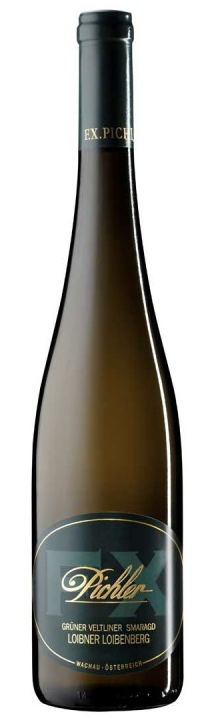
SPLURGE: 2017 FX Pichler M Smaragd Gruner Veltliner, Austria ~$80

ROSÉ
How many times do I have to say it? Rosé is a red wine in a white wine’s body — the best of both worlds! You could literally have ANY quality rosé on Turkey Day and you’ll be happy. I might pop these:

SAVE: 2018 Anthony Road Rosé of Cabernet Franc, NY
This Fingerlakes producer coaxes the perfect balance of red cherry fruit and herbs out of Cab Franc; supremely quaffable all year round. It's so slurp-worthy, I'm drooling just writing this. ~$16

SPLURGE(ISH): 2018 Hersly “Mae” Rosé, CA
100% Merlot, from a small single vineyard in Calistoga, this juicy, vibrant rosé is packed with fruit, yet has plenty of structure to hold it all together. The Herslys are a husband-wife team producing some seriously good juice; this, their first rosé, is named after their sushi-loving dog Mae, who is featured on the label. (She was a rescue, so portions of the sales of this wine go to support animal rescues and shelters!) ~$28

RED
Here’s where the fun happens! Yes, Pinot Noir is the classic high-acid, zesty, cherry-berry and herby-earthy, low-tannin red, and you can find great examples from the Willamette Valley in Oregon or from New Zealand, not to mention the rhapsodic icons of Burgundy. But why not try something a little different this year?

SAVE: 2017 Hillinger Zweigelt, Austria
An Austrian specialty, Zweigelt is a crossing of St-Laurent and Blaufrankish (< also good for Turkey Day!) Like a lighter Pinot Noir, expect spicy cherry notes, maybe a bit of cinnamon. Lip-smaking! ~$16

SAVE: 2015 Pietro Caciorgna Etna Rosso Ciauria, Sicily
Red wines from Sicily’s Mt. Etna region are based on Nerello Mascalese, which thrives in the volcanic soil there. This has crunchy red fruit and great woodsy earth and herbs, buoyed by rose florals. While fresh and invigorating now, it also has serious staying power (grab a few bottles, and see how it evolves next year!) ~$22

SAVE: 2016 Avancia Mencia Cuvee de O, Spain
Mencia is one of those grapes you wonder why everyone doesn’t know about it already. This one is like a bowl of blackberries dusted with mocha powder and black pepper that you eat in a freshly-tilled field. More on the oomphy side, but still kept fresh by its acidity. ~$15

No matter what you decide, I hope you spend a wonderful Thanksgiving with your friends and family. Let me know what you end up popping, and how you enjoyed jhuzzhing up the big meal! 

Cheers.

Tuesday, January 19, 2016

SPOTLIGHT ON 2010 and 2012 GRANDS CRUS CLASSES de SAINT-EMILION

My, how we Wineaux love our classifications. Well, maybe it's a love-hate kind of thing, because they certainly confuse many consumers. (And sometimes classifications are even self-regulated, hm.) But they are everywhere, so the first part of my task today is to zero in on the Grands Crus Classés de Saint-Emilion.

It's not that difficult if we telescope a bit: France > Bordeaux > Saint-Emilion (located on the "Right Bank," of Bordeaux, where Merlot is king,) > Saint-Emilion Grand Cru. (Which is a classification, divvied into Grand Cru Classé and Premier Grand Cru Classé.) Every 10 years the classification is reviewed, most recently in 2012.

In 1982, a group of classed growers formed the Association de Grands Crus Classés de Saint-Emilion to work together to promote their region, their wines, and to continuously strive to elevate quality. 

A recent tasting sponsored by the Association shined a spotlight on two recent vintages: the acclaimed 2010 and the erratic 2012. 2010 is known as one of the standout Bordeaux vintages, and may very well be a benchmark year for the Right Bank. 2012 was beset by very turbulent weather, but if growers picked early, they were on track for a great wine.

Alas, I did not have time to sample the full Saint-Emilion bounty available due to time constraints, but found a few stunners from both vintages.

2012 Clos Saint Martin: notes of chalky lavender and cassis. With grippy tannins, this was dense and packed, but shimmied into a nice fruit-touched finish laced with cocoa powder. ~$60.
2010 Clos Saint Martin: smoky berry/cherry nose, with a heady floral perfume. This one is sexy — red fruit, good, strong structure, a boffo wine. ~$100.

2010 Clos Des Jacobins: florals and soft red berries on the nose. With a somewhat light personality, it was still elegant with red, redddd, reddddddd fruits. ~$60.

2012 Château La Commanderie: pyrazine-y green pepper, black cherry, spice. Quite smooth and velvety. ~$30.
2010 Château La Commaderie: dark fruits and graphite on the nose. Tangy personality, cherry cola, strong but integrated tannins. ~$35.

2012 Château Faurie de Souchard: smoky, spicy, licorice, black and blue fruits. Tightly wound with dusty tannins. ~$30.
2010 Château Faurie de Souchard: liquid cassis and purple flowers on the sexy nose. "Wowzers. SEXY wine," I wrote, with a "Purple Velvet Elvis" kind of feel. ~$35.

I preferred the 2012 Château Dassault, to the 2010, with its heady blueberry, plum, cherry nose I couldn't get enough of. Not overly tannic, with good acidity, pleasant and rich enough but approachable now, ~$45. The 2010 Château Dassault seemed very earthy, dusty, herby — more Cabernet Sauvignon-like, although there was only 5% in the blend — but I'd love to see it when it opens up. ~$50.

2012 Château Fonplegade: cassis, cedar, and rose petals on the nose, with a nice tang and brightness, fairly approachable. ~$40
2010 Château Fonplegade: "wow" nose! Smarties candy, cranberry, underripe red cassis. Glorious festival of cheeky red fruits, nice florals, bit of licorice, good acidic tang, amazing. ~$50

Both the 2012 and 2010 Château Grand Pontet had a relatively high percentage of Cabernet Sauvignon in the blend, and it showed. The 2012 was earthy, "merde"y, and woodsy with good structure, ~$35, and the 2010 had strong cigar leaf and herbs with a little more black fruit expression and sneaky tannins; very nice for the style. ~$55

2012 Château La Dominique: great nose — floral, red berries, cassis. Approachable, smooth, LOVELY. Like your new best friend/crush. WOW! ~$42
2010 Château La Dominique: intoxicating cassis and lavender nose. Mocha, dried potpourri, wonderful structure, very purple-y finish. ~$60

In years like 2010 and 2012, especially when coaxed by the right hands, Right Bank Bordeaux lets the Merlot shine, and these tend to be more approachable than the Left Bank Cab-heavy offerings, even in great vintages. (Especially in great vintages, acutally, due to Cab Sauv's intense structure.) It's also a fantastic bang for the price point buck, considering two of my favorites above retail under ~$45. Some of these producers don't have the widest distribution here in the U.S., but keep your eyes peeled for 2012 and 2010 Saint-Emilion Grand Cru Classes (it will say that on the label,) and snap up a few bottles when you can, you'll be glad you did. And don't forget to let me know what you find!

Cheers!


Wednesday, March 11, 2015

Wonderful Wines Of Washington! (WWOW!)

With the rise in popularity of quality wine from less-than-usual locales, we're forgetting about one right here in the U.S.: Washington State. WA is actually the second largest producer of American wine (behind California) but it's hardly forefront in the mind of consumers looking for wonderful wines.

Time to change that, and how! First of all, let's do some edifying: A) don't equate rainy Seattle with your concept of WA wine—most of the state's wine regions lie to the east of the Cascade Mountains, which act as a rain shadow, in the dry Columbia Valley AVA. B) the area's latitude is the same as between Bordeaux and Burgundy (fairly well-regarded regions, eh?), there is an unusually long length of day, which equals over a hundred more hours of glorious daylight during the growing season—and WA's wide daily temperature fluctuations are great for ripening. C) there is NO phylloxera in the state, so the vines are grown on their own rootstock. D) for you soil nerds: there is volcanic bedrock layered under glacial deposits and soil from multiple ice age floods, with a windblown loess dusting on top—a trifecta of loveliness. E) there are over FORTY varietals planted, with subregions showcasing an incredible array of grapes; Riesling and Chardonnay, Cabernet Sauvignon and Syrah… rarely at home in the same region.
There's so much more, but let's get to the juice!

I recently spent a day walla-walla-wallowing in the bounty of WA state wines at a trade event sponsored by the Washington State Wine Commission, and found some truly wonderful wines during two seminars and a walk-around tasting.

I was first knocked out by the 2013 àMaurice Cellars Sparrow Viognier, Walla Walla Valley AVA. Nose of straw, lemon, white florals, very viscous, and tangy lemon zest with lots of minerality on the palate. Florals emerge on the super long finish. Winemaker Anna Schafer spoke of her passion in cultivating this gem: "I absolutely love making white wine—you're not making white wine for the scores!" ~$35.

At the walk-around, I beelined to her table to taste more of her offerings: the 2011 àMaurice Cellars Night Owl Estate Red Blend was light but complex, with a super elegant, smoky nose, a bit of earth and charming, well-balanced fruit. ~$48. 2011 àMaurice Cellars Fred Estate Syrah had lots of perfume, spice, and herbs, with lavender sachet in the mouth. Not a hot-n-ripe overblown Syrah, rather an elegant, integrated example. ~$42. And the 2011 àMaurice Cellars Anderson Red Blend showed a great perfumey nose! Sweet plums, rose petals… wowzers! Love this. Elegant, and very flavorful. ~$40.

Another standout was the 2012 Januik Klipsun Vineyard Merlot, Red Mountain AVA. Complex, forward nose of blueberry, blackberry, lavender pastilles, and mocha, in the mouth it had compact, elegant fruit, with good balancing acidity and soft tannins, with a long finish of blackberry pie. ~$30

Almost presented as an answer to the question, "But how will WA wines age?", the 1994 Woodward Canyon Winery Merlot, Columbia Valley AVA had an amazing "whoa!" nose of intense spice box, sweet cedar, and tobacco leaf. It was still very present in the mouth, with flavors of dried herbs and mesquite, with good acidity. Just lovely. (The fruit was actually sourced from the Wahluke Slope AVA, but at the time, it hadn't been granted an AVA designation yet.) Not too shabby for a 20-year-old Merlot from lil' ol' Washington! ~$NA.

Chateau Ste. Michelle winemaker Bob Bertheau is an important figure in the growth of the WA wine industry, always looking to innovate and perfect, and his 2010 Ch. Ste. Michelle Artist Series Meritage, Columbia Valley AVA has the highest percentage of Cabernet Sauvignon he's ever put in a Bordeaux-style blend. He said, "The elegance of the Cab this year just sang to me, and I couldn't hold it down." It had blackberry liqueur and floral perfume, with dense and dark purple notes. Suuuuuuper smooth, with pepper and graphite on the finish. A big wine, but it doesn't punch you in the face. Wow. (Bob also said that "Washington tannins are like a thoroughbred—you have to teach it, train it… that's a good problem to have, to have a wild horse." I loved that.) ~$60.

His 2013 Ch. Ste. Michelle Eroica Riesling carries on a solid tradition of dependable Eroicas, with a great nose of florals—massive honeysuckle!—and spice, mandarin orange, and mouthwatering acidity. ~$20. And I also loved the 2011 Ch. Ste. Michelle Cold Creek Vineyard Cabernet Sauvignon, with its dead-on-Cabernet nose of cassis, cedar, and a little green-ness. It was incredibly smooth and integrated, and had a long finish of cassis and earth. ~$30.

Next stop was the Charles Smith/K Vintners table—I've been a fan of their wines for a long time. (I've gleefully written about the Boom Boom Syrah and the Kung Fu Girl Riesling in the past.) And sure enough, out of the gate, I was incredibly impressed with the 2013 ViNO Pinot Gris. Attractive floral nose, spicy, good acidity, florals carry through—wow! Impressive. And only ~$12! I also went coo-coo for the 2012 Sixto Uncovered Chardonnay, with its smooth presentation, cheeky note of taffy, and loads of minerality. No new oak, 100% native fermentation, sourced from three different high-elevation vineyards—a rival to famed CA chards, at half the price. ~$30. Another incredible value is found in the 2013 Wines of Substance Cabernet Sauvignon, which was "kind of left alone," according to co-winemaker Brennon Leighton. Robust red fruit, good balance and length, complex. ~$15.

I'm also familiar with Andrew Will's wines, and really enjoyed the two vintages I tasted from his Champoux Vineyard (and the little kid in me cracked up every time someone seriously mentioned a "shampoo" vineyard.) The Cab Franc-based 2012 Andrew Will Champoux Vineyard Blend, Horse Heaven Hills AVA was big and extracted, with dense black fruits and florals, ~$65, and the 2011 Andrew Will Champoux Vineyard Blend, Horse Heaven Hills AVA lathered up the palate (see what I did there?) with spiced blackberry jam. ~$74.

If a group of flamingoes is a flamboyance, what do you call a group of Master Sommeliers? (That may be a good question for the twitter.) Three MSs—Shayn Bjornholm MS, Chris Tanghe MS, and one of my former instructors John Ragan MS—led a blind seminar to illuminate WA location, grapes, and blends. (Yes, my palms sweat the minute I realized we'd be tasting blind, but I nailed the three varietals and a couple of sub-regions, so I guess the Minx has some mad skillz after all.)

The quality of the wines in this group was high across the board, but if pressed to name some favorites, I'd include the 2011 DeLille Cellars Harrison Hill Blend Snipes Mountain AVA; cassis, herb liqueur, and sage notes, integrated fruit, elegant and delish! ~$95. Also the 2012 Avennia Justine Columbia Valley AVA, with its red and black berry salad, strong cherry, and florals, was super dense and tasty, and quite grippy. A blend of Mourvedre, Grenache, and Syrah. ~$40. And I loved the 2012 Gramercy Cellars Third Man Columbia Valley AVA, with silky red fruits, it was a bit meaty (genoa salami) and peppery, with alpine notes. Big, but beautifully balanced. Another S. Rhône blend, this time with the emphasis on Grenache. ~$45.

The 2012 Betz Family Winery Bésoleil Columbia Valley AVA was also incredible, with coffee grounds and herbs on the nose, and a luxe, elegant palate of blueberry, a hint of chalk—so tasty. ~$45. I went to their table for more, falling for the 2011 Clos de Betz Red Bordeaux Blend, with an amazing, packed nose of cassis and cedar, and a flinty minerality. ~$55. Also the 2011 Betz Family Winery Père de Famille Cabernet Sauvignon: "ooooh, rich & smooooooth!" say my notes. Violets, delicious fruit, elegant, quaffable yet good with food. 88% Cabernet Sauvignon, 9% Petit Verdot, and 3% Merlot. ~$68.

"Dense" is the word of the day for the 2011 Col Solare Blend Red Mountain AVA, which also drew me in, with its notes of cassis liqueur, brick dust, velvety red fruit, liquid herbs, it was very dense and very ripe. And very sexy. ~$75.

Still with me?! I know this is a lot, but seriously—each table I visited kept surprising me with such gems, it was truly a bounty. If I didn't have an appointment to get to, this post would have been three times as long, I'm sure. My last stop on the way out was at the Seven Hills table. I'd correctly blind tasted the varietal of the 2012 Seven Hills Vineyard Merlot Walla Walla Valley AVA during the seminar, and still loved its ripe blue and black fruits on the nose, elements of smoke and mocha, and tasty, intense blueberry pie. ~$38. Next was the only rosé I sampled that day, the 2014 Seven Hills Dry Rosé Cabernet Franc—loved the nose, strawberry-lime rickey, clean and crisp watermelon Jolly Rancher, good acidity, super dry finish. ~$18.


 Their hits just kept on coming: the 2012 Seven Hills Ciel du Cheval Blend Red Mountain AVA: "melting" red fruit, big but super integrated, lovely. My friend Mr. Some Damn Good Wine kept crowing over the note of "Maraschino! Maraschino!!" ~$45. The 2012 Seven Hills McClellan Estate Petit Verdot Walla Walla Valley AVA: just loved the nose. Intriguing. Plummy purpleness across the board. Wow! I drew a heart. ~$35. And the 2012 Seven Hills Klipsun Vineyard Cabernet Sauvignon Red Mountain AVA: spot-on Bordeaux nose—cedar, cassis, eucalyptus. Scrumptious, with high tannins, but very integrated. ~$45.

Wineaux, if you haven't figured it out by now, wines from Washington State are indeed wonderful. This tasting confirmed that they have the ability to rival wines from other great regions around the world, and many are values at every price point. Do yourselves a favor, and start familiarizing yourselves with the wonderful wines from WA.

(Side note: as of this writing, I am very close to finalizing a date to sing this summer for the Seattle Mariners as part of my quest to sing the National Anthem for every Major League Baseball team. Rest assured that I will do my very best to tack on a visit to the Columbia Valley to get up close and personal with more of these gems! I love it so when my worlds collide.

UPDATE: The Seattle date is set, barring any theatrical conflicts: July 28. Very excited, not only to sing, but to stomp around Washington State vineyards for a few days. Keep an eye out for my report.)

Cheers!


Monday, February 2, 2015

2012 BORDEAUX: A "Run-DMC" Vintage
(It's TRICKY TRICKY TRICKY.)

Last year I wrote that the 2011 Bordeaux offerings provided some gems if you were willing to take the time to unearth them. Well, Wineaux, prepare yourselves for some serious mining in regard to the 2012s.

Many high-end, famous critics (who get to attend the En Primeur tastings in Bordeaux) seem to agree that 2012 had quality issues much like 2011, and neither vintage was helped by the fact that 2009 and 2010 were stunning vintages all around. In 2012, ripening of the Cabernet Sauvignon was problematic, and Sauternes lost most of its crop to bad weather just before harvest. The dry whites fared well and the Merlot-based reds were salvageable, but 2012 will not be a vintage to remember, or to save.

However, this means something generally not a rule in Bordeaux: the 2012s will be far more accessible early on than those from the opulent vintages.

On a very snowy winter's day, I attended the Union des Grand Crus de Bordeaux tasting, which showcases 95 respected producers from all over Bordeaux. Generally I was not overly impressed with the offerings, although I managed to find one or two Châteaux from the different regions whose wine stood out amongst its peers. (Something to bear in mind: given the unpredictability of the vintage, many of these wines that are showing too tart or one-dimensional may almost certainly evolve in the bottle, and relatively soon, so while some show obvious potential now, others may yet surprise us.)


WHITE: 
Ranged from acidic and bright Sauv Blanc-driven wines,
to rounder, richer offerings buoyed by more Sèmillon in the blend.

2012 Ch. de Chantegrive Blanc: Amazing nose, ripe pear and peach, quince, SweeTarts. Very "sweetly tart" in the mouth, excellently balanced acid, but the word for sure is TART. Liked it though. TOP White. ~$22

2012 Ch. Bouscaut Blanc: 60% Sauvignon Blanc, 40% Semillon; really get the Semillon on the nose, and in the body. Rich and viscous, nice spice on the finish, warm and luxe, very well-balanced. ~$35

2012 Ch. Carbonnieux Blanc: Subtle nose of florals, grass and herbs. Florals, tart lime zest, tasty, but doesn't stand out. ~$45

2012 Domaine de Chevalier Blanc: Elegant tart tropical fruit nose, very vegetative and green, but grippy. ~$100

2012 Ch. de Fieuzal Blanc: Light tropical fruit, nice depth of flavor—yellow apple and minerals. Pretty tasty, but simple. ~$65

2012 Ch. Larrivet Haut-Brion Blanc: FAVE White: Taffy and melon nose. Nice spice and herbs in mouth to balance flavors. Rich and round. Oomphy. ~$55

2012 Ch. Latour-Martillac: 70% SB, 30% Sem, rich and round, very early and grassy, straw, tart citrus on finish. Nice. ~$35

2012 Ch. Malartic-Lagravière: Clean, steely lime. One note. Bit watery. ~$60


SAINT-ÉMILION:
You will see the St.-Éms were very categorized by tart red fruits,
in some cases, so tart as to be off-putting.

2012 Ch. Beau-Séjour Bécot: Spices on the nose! Macerated berries, very spicy in the mouth, nice integration, can drink now, though firm tannins are present. FAVE St.-Em. ~$52

2012 Ch. Canon-la-Gaffelière: florals, red fruits, herby, tart. ~$65

2012 Clos Fourtet: Dark berries, very tart, a little disjointed at present but very good potential. ~$75

2012 Ch. La Gaffelière: Very interesting nose, spicy, bright red fruits, some jam, pomegranate. Very tart. ~$53

2012 Ch. Troplong-Mondot: Very perfumey nose of rose petals, but also quite tart. ~$85


POMEROL:
In Pomerol, the tartness of the red fruits was tempered a bit
by earthiness and similar flavors.


2012 Ch. Beauregard: Earth, spice box, black fruits. Tasty, complex, smoked meat on the finish. FAVE Pom. ~$43

2012 Ch. Le Bon Pasteur: Smoke, dark fruits, a bit of tart red fruit on the finish. ~$NA [60-70]

2012 Ch. Clinet: Woodsy, very tart but bright red fruit. ~$75


MÉDOC:
Many wines from the large Médoc appellation seemed to have
a good "multi-faceted-ness" and are outrageously EXCELLENT values. 

2012 Ch. Chasse-Spleen [Moulis-en-Médoc]: Lovely, complex nose. Luxe fruit, Asian spice, soy sauce umami, bit tight now but very good potential. TOP Méd. ~$30

2012 Ch. Poujeaux [Moulis-en-Médoc]: Very spice box-y! Cedar, red berries, tasty, bright red and purple fruit. TOP Méd. ~$28

2012 Ch. Cantemerle [Haut-Médoc]: Earthy, dusty, spicy cedar nose. Very bright and light, bit of licorice, rose florals. Hm! ~$30

2012 Ch. Citran [Haut-Médoc]: Love the nose! Ripe and round, red and purple. Very purple fruit, blueberries. This one's different and very interesting. TOP Méd. ~$20

2012 Ch. La Tour de By [Médoc]: Light, bit of spice. Somewhat thin, but pleasant. Very fruity and earthy elements. ~$22

MARGAUX:
Mostly positive things to say about Margaux,
also well-rounded, also great values for the appellation.

Manager Dominique Befve
showing off his delicious
Ch. Lascombes.
2012 Ch. Brane-Cantenac: Very earthy, cigar box, nice red fruits, round expression. Yum! TOP Marg. ~$50

2012 Ch. Cantenac Brown: Mesquite, cranberry, grippy tannins, but good blend of fruit and structure. ~$45

2012 Ch. Giscours: Warm, spicy, nice red fruit, not terribly impressive, though. ~$48

2012 Ch. Kirwan: Stunning nose, lush red fruit and perfume. Tangy red fruit, nice spice, cranberry, mocha. FAVE Marg. ~$40

2012 Ch. Lascombes: Very purple nose, very nice, violets. Very very tasty, very very purple! Cocoa powder, iodine. TOP Marg.  ~$65

SAINT-JULIEN:
More earthy, vegitative notes found here.

2012 Ch. Gloria: Nice, interesting umami nose. Not that much fruit expression—chalky tannins kind of rob it of fruit. ~$36

2012 Ch. Léoville-Barton: Herbs and floral nose, nice fruit. Lots of green pepper in mouth. Solid, but not my style. ~$70

2012 Ch. Talbot: Really merde-y nose, but purfumey too! ("Perfume-y merde," that's a new one.) Violets, very compact, complex, yummy. FAVE ST-Ju. ~$50


PAUILLAC:
Pauillac, like Margaux, seemed to hold a lot of potential.


2012 Ch. Haut-Bages Libéral: Love the nose, overripe blackberries, funky cheese thing. Very tasty, velvety, dense and dark, nice spice. TOP Pau. ~$40

2012 Ch. Lynch-Bages: Very herby, very cedar, mortadella, but woah—TOO young!! Very black tea tannic. (I was tasting with my friend, the Some Damn Good Wine guy, who said, "Uh…hold.") ~$100

2012 Ch. Pichon Baron: Not overpowering, but a complex nose: blueberry jam, whiff o' wood smoke. Elegant, fresh herbs, good red fruit, rose petals. FAVE Pau. ~$105

2012 Ch. Pichon Longueville Comtesse de Lalande: Quite earty, cocoa, florals, red tangy fruit on finish. ~$100

(With the storm outside a-ragin', I wrapped up my tasting by beelining to the dessert wines. Alas, that meant I missed the three St.-Estèphe offerings, not to mention so many wonderful Châteaux from the regions I did sample. Oh well, no time to cry over missed wine!)

DESSERT:
Sauterns and Barsac ranged from too light to too cloying,
but still had some personalities shining through.

2012 Ch. Coutet: Strong note of tangerine peel, very pleasant, but one-note. ~$70

2012 Ch. Doisy Daëne: Ripe melon, ripe pear. Really pear-y, actually. Very pleasant; nice finish and not too cloying. TOP Saut. ~$40

2012 Clos Haut-Peyraguey: Honey, apricot, honeysuckle. Very tasty, round and rich, but not enough acidity to balance = too syrupy. ~$55

2012 Ch. La Tour Blanche: Light florals, lemon verbena, good acid, lemon curd on the finish. Yum. Good balance. Very nice. FAVE Saut. ~$55


So there you have it, Wineaux. You major Bordeaux-lovers may just have to write off 2012—alas, the early reports on 2013 are also spotty—but while we wait for the "next big vintage," talk to your merchants and somms, and I bet you can find a decent bottle or two to enjoy in the meantime. To look on the bright side, unearthing the good 2012s will give you accessible Bordeaux at a relatively affordable price… it's still one of the world's best wine regions for a reason.

Cheers!


Wednesday, October 15, 2014

A CHATEAU TALBOT RETROSPECTIVE

What do you get the Wineau who has everything? That's easy: more wine!

For my birthday this year, that axiom equated to attending a Château Talbot dinner at Le Perigord in New York City. It was an amazing opportunity to sample eleven different vintages of the respected Quatrième Cru, located in St.-Julien.  (The continued quality of which, some think, is cause enough to re-examine the 1885 Classification of Bordeaux, but that's a debate for another time.) My dear friend and fellow Wineau Carol came along to celebrate with me.

Talbot dinner menu
The engaging and witty proprietor of Ch. Talbot, Jean-Paul Bignon, was on hand to chat with us through the tasting and dinner. His enthusiastic pronouncements and evident love of and respect for his wine made for a fantastic presentation. The food was quite good too, if massively portioned!

(All of the wines were excellent, but to mark the ones that stood out for me: √ = very good, * = outstanding.)

We began with the 2011 Ch. Talbot Caillou Blanc, a blend of 70% Sauvignon Blanc and 30% Semillon. Nose of candied melon and very ripe tropical fruit. Nice weight, good acidity, bright, lengthy finish, notes of grapefruit and ripe pineapple. This is from probably the oldest white vineyard in the Médoc. (While reds dominate in Bordeaux, more people are planting and making white wines, also outside of typical vineyard areas.) ~$38

On to the reds! The typical blend of these wines is 65% Cabernet Sauvignon, 30% Merlot, and 5% Petit Verdot, although that can vary under different vintage circumstances.

2010 Ch. Talbot: deep red and black fruits on the nose, earthy, meaty, brick dust. Very full-bodied, strong tannins and acidity (still a baby!) Deep red fruits, earth and wood. Might want to get some of this for later! ~$70

2008 Ch. Talbot: cedar, woodsy, savory nose. Very full-bodied. Elegant black fruits but somewhat one-dimensional and muted. (I possibly had some soap in my glass, affecting the wine's expression; Carol's was brighter, with much more red fruit character.) ~$70

* 2006 Ch. Talbot: bright violet nose! Excellent notes of licorice, wet earth, blue fruits, with silky tannins... really lovely. ~$70

Using an Anglo-Saxon name for a Chateau is unusual in France. The eponymous Monsieur Talbot was an English general who came through the Bordeaux area in 1450 and stayed, until he was killed in battle. I think the battle was about wine—the English weren't getting the good French juice, so Talbot headed down to fix that—but since I was actually consuming all of the wine at this event, my notes are a little uneven (not surprising!)

2005 Ch. Talbot: a powerful vintage. Loads of cedar and spice box on the nose! Herbs, dense cassis and blackberry liqueur. However, my first glass was corked, and my second glass seemed flat, while Carol's had bright red fruits… oh well, must simply try this one again. ~$80

* 2001 Ch. Talbot: From a less-successful vintage, this was a pleasant surprise! Very interesting, subtle, intriguing nose. Bramble fruit, herbs, white pepper, elegant. Lots of red fruit in the mouth. Asian spices. Drinking very well now—just so yummy! (My notes say, "get some!!" If I can find some; many of those tricky vintages get consumed right away.) ~$70

√ 2000 Ch. Talbot: herby, cedar nose. Big red fruit at first, transitions into black fruits through the finish. Herby elements, dusty tannins. Excellent. Still can age for a long time. ~$110

M. Bignon is the mayor of his small town. In response to a teasing question, he replied, "Elected! There is no bribery!" However, he went on to say that Chateau Talbot is drunk at all of the village's holiday celebrations. So I'm clearly not the only one who would vote him back into office...

1998 Ch. Talbot: "The kind of vintage that's good to drink now," says M. Bignon. Light rose petal and (you guessed it,) cedar. Florals, subtle, pretty lovely. ~$85

1989 Ch. Talbot: M. Bignon: "A subtle vintage, again. You must be attentive; you have to taste very carefully, and if you do, you will love it." Very merde-y barnyard, herby, earthy terroir. Subtle tannins, florals, very nice. ~$100

* 1986 Ch. Talbot: wet leaves, perfume, cocoa powder, mushroom. My notes say, literally, "Oh mah gawd! Amazing!" Just lovely. Elegant development of secondary aromas. M. Bignon: "I hope you will be flabbergasted by it." My notes: "I am flabbergasted." ~$180

After another sumptuous course and knockout wine, I made a note of someone saying, "It's not a dinner… it's an orgy." But I have no idea who the speaker was! Carol? M. Bignon? Me?

* 1982 Ch. Talbot: Very merde-y! Red fruits, herbs, pungent. Lots of bright acidity still, anise, tarragon. Shows age well, but the fruit is still bright. ~$260

√ 1978 Ch. Talbot: wet earth, barnyard. Carol: "damp hay." Dried flowers, wet leaves, herbs. Super elegant. So lovely. Peppery, charcoal, tobacco. ~$85

A quick-and-dirty poll of our table's favorites had the majority (five) choosing the 1986. Two favored the 1982, with one each for the 2005, 1989, and 2001 (that was me; I obviously had many favorites, but the '01 was the one I wanted another bottle of immediately.)

Ch. Talbot doesn't make a dessert wine, but at the dinner they poured us a lovely 1986 Ch. Suduiraut Sauternes to pair with the dessert course. It was a medium-plus gold color, with florals, paraffin, and honeycomb on the nose. Violets, green apple, honey, marzipan. Carol, "ripe banana, vanilla pudding, cream puff." Light and bright for the vintage, good acidity, shortbread, baking spices, whiff of petrol, no obvious botrytis. ~$95

Carol and I absolutely rolled out of Le Perigord that evening, stuffed to the gills and sated by some truly amazing wines. Alas, somewhere on the cab ride home my cell phone went bye-bye, and with it, all of my painstakingly composed photos from the evening, including one of me and M. Bignon toasting my birthday. Thankfully, Carol had taken a few as well, which appear here—thanks, Carol!

If you are a lover of quality Bordeaux (and especially one at a relatively affordable price,) you can not go wrong with Chateau Talbot. It is also widely carried at the Total Wine & More chain stores, so is fairly readily available, even some of the slightly less-current vintages. But for the older vintages, you will have to seek out specialty wine stores or auctions to track one down. And believe me, it will be worth it.

Cheers!


Friday, May 23, 2014

THE NEW CORNERSTONES OF NAPA, DAY ONE:

When I found out the Oakland As baseball team had invited me out to sing the National Anthem recently, my first thought was "Yippee, I booked team #19 on my Quest!" (Click the link for info on that particular pursuit of mine.) My second thought was, "Yippee, an excuse for a trip to NAPA!"

On prior visits to Napa Valley, I had a group of burgeoning oenophiles to shepherd around, so we had to make the usual stops at Robert Mondavi (perhaps the "Disneyland" of Napa, but a great visit,) and other high-profile wineries that catered to groups like ours. This time I was on my own—a Wine Minx on a mission. I had two days; who knew what I could find?

I sought out places that were more "insider"—wineries the sommeliers loved, or that other small winemakers recommended—to learn more about what was going on beyond the large conglomerates and operations that have somewhat taken over Napa's identity.

On a sparkling Sunday morning, my first stop was Hyde de Villaine, a joint venture of Napa's Larry Hyde and Aubert de Villaine of the storied Domaine de la Romanée-Conti in Burgundy. The two families, related by marriage, developed the idea to collaborate "over the dinner table," said Lawrence "Eddie" Townsend, the HdV sommelier. In an unassuming building on the outskirts of downtown Napa, Eddie and I sat down to taste through four of HdV's current offerings. (HdV offers two options for tasting, the "HdV Flight" of the following four wines' current releases at $45pp, and the "Comandante Flight" which adds two premier wines for $75pp, with fees waved with certain wine purchases. Appointment requests can be made via the above website.)

We began with the 2012 De La Guerra Chardonnay, which had a nose of lemon verbena. On the palate were notes of grass, lemon curd, a whiff of smoke, herbs and a pleasant note of—forgive me, but I really got this—mortadella(!), balanced by a very bright and refreshing acidity. Aged partially in a "concrete egg," there was some resulting autolytic character, which added a bit of weight (and maybe contributed to that mortadella.) $45

Next up, the 2011 HdV Chardonnay, with an incredibly complex nose of aromatic yellow and white flowers, yellow apple, and fresh-cut grass. It was rich but not heavy-handed, with a sublime balanced acidity and a very long finish. Aged 12 months in oak (20% new.) $60

On to the reds! The 2010 HdV Californio Syrah, Hyde Vineyard had a bright, outrageous nose of red fruit, lush herbs, blackberry syrup and was a bit smoky. Its light acidity and integrated but grippy tannins balanced the dark fruit and smoked meat notes on the palate. Long finish. "This is the wine that brought me here," said Eddie, swirling his glass in appreciation. $60

Finally, the 2009 HdV Belle Cousine: a blend of 52% Merlot and 48% Cabernet Sauvignon. Eddie mentioned that most years there was much less CS in the blend, and when I asked why this vintage was different, he told me that the blend is a group decision—Stéphane Vivier, the winemaker, puts together four different combinations, the six members of the team sit down together and taste them blind, and the group's favorite gets bottled. (Which I thought was very cool.) This had a nose of rosemary, a lot of graphite, pepper, herbs, and some green elements. It was fairly dry and earthy, with integrated tannins, licorice, red cherry, a little cranberry zing, red cassis, and some rose potpourri. $60

HdV also offers a handful of library selections (these wines from older vintages,) and some large-format bottlings, but the wines I tasted are basically the heart of HdV. It is a small operation (as I discovered when I called to make my appointment and Stéphane Vivier himself answered the phone.) But it is an elegant one, and committed to making quality wines, blending the ideology of New World fruit with Old World winemaking. When asked about expansion or notoriety, Eddie said that HdV "probably won't be a rock star," but it didn't seem as if anyone there cared a whit about rock star status; they just cared about making excellent wine.

Very pleased by my first small winery visit, I hopped in my car and tootled up Highway 29 to Yountville for lunch at the French Laundry. If you know about "Laundry" (as the locals call it,) you know that it was a meal of a lifetime, and if I was a food blogger, you'd hear ALL about it! (If you do want to peer over my shoulder at the experience, visit my Wine Minx facebook page and scroll down to May 4, when I posted pictures of much of the lovely food and wine I had there over a four-hour extravaganza.)

Completely sated and in a state of zen-like foodie bliss, I meandered down the street to Ma(i)sonry. Billed as a "winery collective," Ma(i)sonry offers tastings of wines from 23 vintner partners in a gorgeous locale where art is also displayed and sold. The website perhaps describes their mission best: "Pairing artisan wines with exquisite art and furnishings in a historic setting." I was joined by my friends Adam Hersly and Stacy Soberalski of Hersly Wines (more on them and their wines soon!)

Ma(i)sonry's main building
We were greeted by our curator for the afternoon, Bex Bishop, a local winemaker who coincidentally I went to college with and had previously connected with via LinkedIn... this unexpected visit was our first actual meeting. (Alas, none of her wines were on the list for tasting, but you can learn more about BX of Napa < here.) I was suddenly feeling very "insider-y!"

We started with a shared flight of whites; first up, the 2012 Lail Blueprint Sauvignon Blanc. Tart nose of grapefruit, very "cheeky" in the mouth with SweeTarts candy and herbs on the long finish. Pleasant and complex, this really grew on me. $40

We also tried the 2011 Lail Georgia Sauvignon Blanc. With 20 months in new French oak, you definitely felt the oaky toastiness in this heavy-duty, big style white. Lemon-lime citrus on the finish balanced the coconut and grassy notes. Someone said, "Hawaiian Tropic," which was kind of true! $120

A few from the collective itself; the 2012 Ma(i)sonry Sans Chene Sauvignon Blanc Hudson had a brief oak aging, and showed more tropical fruits and grass on the nose. Very bright and zingy acid balanced super-ripe melon and a little gooseberry. $32. And the 2012 Ma(i)sonry Marsanne had a lemon/herby/grassy nose, and was very minerally with warm herbs on the finish. Interesting. $38

Next up: a pair of Pinots. The 2011 Pahlmeyer Pinot Noir, aged two-thirds in new French oak, was lovely. Very floral perfumey nose, tart and tangy fruit, purple flowers and rose petals with light red and black fruits. $75. And the 2009 Tuck Beckstoffer Eagle Vineyard Pinot Noir, aged 14 months in barrel and two years in bottle before release. This had a dark ruby color and a nose of really ripe red fruit. In the mouth, there was cherry jam, herbs, and a tart acidity that left this wine a bit disjointed in the mouth. At 14.9% alcohol, with this kind of character, the group felt this wine resembled a Syrah more than a classic Pinot. $85

On to the Cabs! I really liked the 2009 Casa Piena Estate Cabernet Sauvignon with its nose of cassis, berries, herbs, and flint. It was pretty high-octane, but bright notes of violets and lavender and a fresh acidity gave it lift. Super flirty. $150

Bex said about this next wine, "I call it lush and velvety, my colleague calls it 'slutty.'" And I agree with the colleague—the 2010 Coup de Foudre Cabernet Sauvignon (with some Petit Verdot and Cabernet Franc in there,) had a nose of soft red berries, and showed raspberry liqueur on the palate, with herbs and black pepper on the slightly angular finish. My notes say, "Yep, slutty," which is hardly a bad thing. $95

The 2008 Pahlmeyer Proprietary Red is categorized as a "library" wine, as there is very little left in stock. A blend of 76% Cabernet Sauvignon, 8% Merlot, 6% Cabernet Franc, 3% Petit Verdot, and 1% Malbec, this was a lovely and complex wine, with notes of blackberry jam, green pepper, mocha, cinnamon, and bramble fruit with a relatively smooth finish. (No wonder there's not much left!) $125

I was still full from lunch and getting a bit tired from this marathon day of tasting, but we decided to soldier on for one more flight: the excellent 2010 Blackbird Contrarian (43% Cab Franc, the rest Merlot and Cab Sauv,) had aromatic cedar on the nose, with berry salad, "poop & dirt," (again, a good thing,) graphite, licorice, and black fruits on the finish.  $125. And I also liked the 2011 Tor Napa Cabernet Sauvignon, a blend of grapes from three vineyards. At first it was very tart and kind of disjointed, but it opened up and smoothed out a great deal with time in the glass. Blueberries, raspberries, applewood, smoke. Stacy said this would be perfect with braised short ribs, and while still full, I agreed. $80

Finally, the 2011 Lail J. Daniel Cuvee Cabernet Sauvignon. With 100% Howell Mountain fruit, this had a nose of bright red cherries and raspberries, with heady yet soft aromatics. In the mouth it showed herb liqueur and a bit of grape soda, with a slightly awkward, tannic finish. It definitely needs more time to develop but shows good promise. $150

Tasting at Ma(i)sonry is a lovely, unique experience. You can make a reservation for parties of various sizes, and sip away in little sections of a charming courtyard or inside the circa-1904 main building. They are developing a partnership with Restoration Hardware and have bought the lot next door for a themed-kitchen expansion, plus are looking into other locations. However, they state that visiting Ma(i)sonry will remain an intimate experience that is always focused on small vintners.

Fully satisfied, I called it a day, and headed off into the sunset to rest and recoup my taste buds for Day Two. This foray into discovering the "smaller players" of Napa was illuminating and I couldn't wait to see what the next day had in store. (Spoiler alert: excellence!) Stay tuned...

Cheers!