Sunday, November 25, 2018

TOP 20 UNDER $20 OF 2018!!

My popular annual list of values is BAAAAACK! It's always exciting to find a wine you love that is an excellent value, and these all are amazing finds. This year, oddly, no U.S. wines made the list -- I've written about a ton of sub-$20 American stunners in the past, but just didn't stumble upon a new fave over the last 12 months. (#2019goals!) Some surprises in there -- a white Rioja and a red Rioja Reserva... a Côte Rôtie... a Bordeaux... a white Port -- it's almost unheard of to find such quality from those regions at this low price point. But there is something here for everyone, every mood, every meal, every whim. Enjoy!

White: 


2015 CVNE Monopole White Rioja (Spain)
Light and zippy but also unctuous. Pretty darn tasty! Notes of white flowers, green plum, sugar snap peas (!!) pear, lemon, and straw, with a steely minerality. Easy going down but has a great presence. ~$12

Image result for Josef Ehmoser von den Terrassen Grüner Veltliner2016 Josef Ehmoser von den Terrassen Grüner Veltliner (Austria)
Lemon-lime citrus, herbs and white pepper, on the savory side. A stellar summer quaffer — refreshing, goes down easy, but has personality. This baby joined me at the beach on more than one occasion. ~$13

2016 Tania & Vincent Carême Terré Brulee Chenin Blanc (South Africa)
Heady nose of honeysuckle, with some yellow apple and white peach, but this baby is queen of shortbread cookie/toffee/straw/cloves/almond secondary and developed notes. Mouthcoating. Luxe. ~$19
Image result for Vila Nova Vinho Verde 
2017 Vila Nova Vinho Verde (Portugal)
White flower perfume, tangy spice, (even a little pepper,) peach and yellow apples, super tasty quaffer. Haven’t historically been knocked out by many Vinho Verdes, but this one stands out from the crowd. ~$12

2017 Yalumba Y Series “Unwooded” Chardonnay (Australia)
Florals, green fruits, citrus, stone fruits abound. Tropical and herbal too. With toasty, dough-y notes from lees contact. Lots going on but doesn’t punch you in the head. ~$12

NV Churchill’s Dry White Port (Portugal)
I am so glad this squeezed in (on a technicality, as it’s a 500ml sized bottle!) Medium gold color, with smoke, caramel, mandarin peel, nutty, and herbal notes. Intense, dense, rich, super-long finish. Just some initial caramel-ly sweetness at the start. Although it says "Port," this is really an aperitif or something creative to pair with a meal, NOT a “dessert wine!” ~$20 (h/litre: 500ml)

Image result for 2017 La Tour Boisée Minervois Blanc2017 La Tour Boisée Minervois Blanc (France)
This field blend of 6 southern French grapes is a little funky and savory, but florals and green fruits balance it out. Unctuous and rich (at 14%!) but still quaffable. ~$12

2017 Massimo Daldia Vernaccia di San Gimigniano DOCG (Italy)
Mouth-filling compact fruit, with elderflowers, lemon curd, ripe pear and quince, some nice grassiness, and unctuousness from lees contact. Creamy! ~$19

Rosé: 

2017 Cabernet de Saumur Réserve des Vignerons Rosé (France)
So tasty, and what a bargain! Rose petals, lime, red grapefruit, red and black fruits galore, some white pepper, rosemary, and flint. Over-delivers at ~$8

2017 Domaine Lafond Roc-Épine Tavel Rosé (France)
Fruity, spicy, loooooong finish. Tavel is a Southern Rhône region that ONLY makes rosés, and this is why. Cherry, strawberry, rasbperry, with roses, and tomato leaf, and herbs, and juicy nectarine, and watermelon, and white pepper, and, and, and. ~$19

Red: 

Image result for 2017 Ch. de la Bonnelière Rive Gauche Chinon
2017 Ch. de la Bonnelière Rive Gauche Chinon (France)
This is a heavy-duty (yet crowd-pleasing) red, with cherry, cranberry, blackberry fruit, and loads of earthiness—tobacco, cedar, leather, tea leaf— plus smoke, caramel toffee and buttery smoothness. ~$15

2016 Esporão Quinta dos Murças Minas (Portugal)
All the purple, all the time. Florals and fruit. Plus savory notes, caramel. Kind of a liqueur feel to the fruit, so warm and rich. LOVE. ~$17 (N.B. The Reserva of this wine is going to run you $30-40, but I was OBSESSED with the 2015 Reserva, so if you feel like a little splurge, definitely go there.)
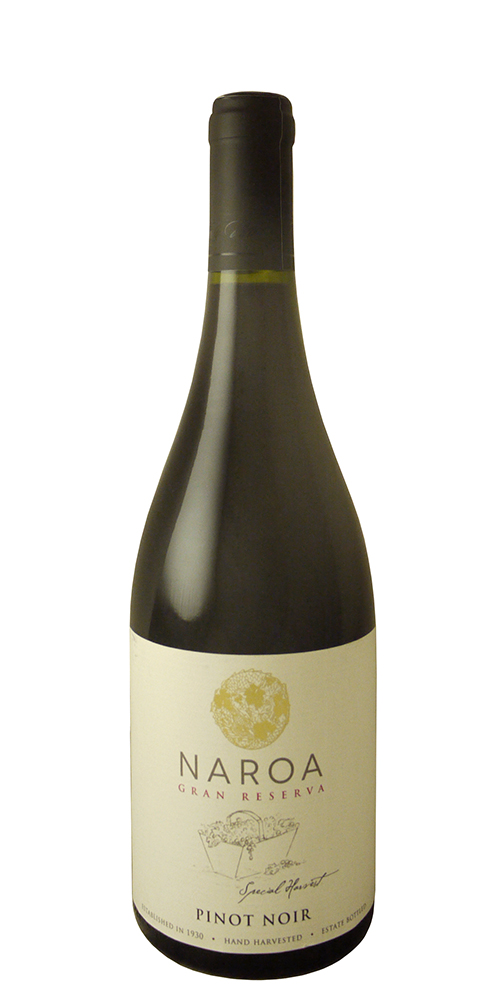
Image result for 2016 Naroa Pinot Noir Gran Reserva

2016 Naroa Pinot Noir Gran Reserva (Chile)
Ticks all the boxes: floral, fruity, earthy, and spicy. Its refreshing high acid screams for food pairing, but this plush pinot is also great on its own. ~$17

2009 Ch. Haut Plaisance Montagne St-Emilion (France)
Great cassis, black cherry, blackberry fruit, with mocha, graphite, licorice, pepper. Tannins aren’t overbearing. An elegant experience, but this can improve too. ~$12

2016 Agniuli Primitivo (Italy)
Tasty and rich, with spiced rose potpourri, cherry, blackberry, plum, lifted by a clean eucalyptus note, and grounded with a bit o’ barnyard. Mouthcoating! ~$19

2016 Domaine Faillen Ste Marie Corbières (France)
Deep, dark, rustic, and intense, this Languedoc bruiser will pair beautifully with winter stews and roasted meats. Florals, blackberry, bramble, spice box, lavender/rosemary garrigue, and some funky merde and leather. Big-boy tannins hit hard, but smooth out over the finish. 14.5% alc, and only ~$13

Image result for opera lambrusco2017 Ca Montanari Opera 02 Lambrusco (Italy)
This is a dry style Lambrusco, which is a bubbly red from Italy. You get fresh dark berry fruits and a pleasant herbal earthiness, buoyed by the zesty pink bubbles. Easy drinking and a crowd-pleaser, even among all levels of wineaux. ~$17

2015 F. Merlin Côte Rôtie (France)
A Côte Rôtie for under twenty bucks?!? Crazy. Hugely intense, florals, black fruit salad, lavender, and a choco-vanilla thing going on. Elegant, rich, luxe, succulent, dense. Outstanding. ~$17

2012 Marques de Riscal Rioja Reserva (Spain)
This hearty red delivers! Lots of fresh black cherry, cassis, lilac florals, with herbs and spice, sage and licorice, and a foundation of mocha. Delish. ~$ 17

2016 Pierre-Marie Chermette Beaujolais (France)
Light, fruity, fun... but def not wimpy or too “girly,” this Beauj is holiday heaven. Great for gatherings all through the holiday season. The natural acidity pairs beautifully with food, and it’s comfy like a warm blanket. ~$16

EXTRA CREDIT:
2017 Terlan Pinot Grigio (Italy)
This baby narrowly misses the criteria, but I just HAD to include it, because it is truly a fantastic Pinot Grigio. It is rich, high in alcohol, unctuous, great flavors of chamomile, pear, melon, tarragon, lemon zest. This is NOT the neutral, blah, inoffensive PG your Auntie likes… but give it to her anyway! ~$22

#          #          #

There you have it, Wineaux. Once again I ponder raising the bar to 25 wines under $25, because there is so much goodness in the $20-25 range. Perhaps next year!

May we all drink well in 2019...

Cheers!

Wednesday, November 21, 2018

WHAT TO DRINK WITH THE BIRD!

Image result for turkey and wine
image: foodandwine.com
Hi Wineaux -- I know this is last-minute, but a lot of you have been asking, so I'm putting down my study books and closing my script and ANSWERING YOUR CALL.

Thanksgiving can be a crazy time; figuring out what to drink shouldn't be. There are a few basic things to keep in mind:

1) Lots of Turkey Day food is, well, bland. Potatoes, stuffing, turkey... YAWN. Your wine should provide the PIZZAZ! However, now is not the time to pop open that super-concentrated, oak-aged, dense, intense Cab. It'll overwhelm.

2) You might love and appreciate wine, and Aunt Frieda is definitely a Wineau, but the rest of the fam? Maybe not. Look for excellent values, so when Uncle Fred puts ice cubes and a packet of Splenda in his red, you won't pass out.

3) Acid is always your friend, when it comes to food-and-wine pairing. You might not first think of red wines with turkey, but a high-acid red... PERFECTION.

Let's get to it! (PS all of this goes for the rest of your holiday dinners as well!!)

ALWAYS A WINNER: Champagne
Yes, this might violate guideline #2, but substitute a good-value sparkling wine made in the Champagne method and you're good to go.
Image result for taittingerWHY? Bubbles! Festive! And its acidity and rich toasty nutty flavors will pair perfectly.
Value -- Lucien Albrecht Crèmant d'Alsace ~$17, Gruet Blanc de Noirs (NM) ~$14 Louis Boillot Crèmant de Bourgogne Rosé ~$20.
Mid-price -- Taittinger Brut La Francaise Champagne ~$38, Moet & Chandon Brut Imperial Champagne ~$38.
Splurge -- Krug Grande Cuvée Champagne ~$160,  Billecart-Salmon Brut Rosé Champagne ~$75.
Image result for ca montanari lambrusco

DARK HORSE: Lambrusco
Skip the sweeter inexpensive versions and head straight for this herby, dark-fruited Italian bubbly.
WHY: Also bubbles! Rich earthiness and plum/blackberry fruits are lifted by its freshness.
Ca Montanari Opera 02 Lambrusco ~$17, Zanassi La Grasparossa Lambrusco ~$13.


FRESH AND FRUITY: Beaujolais
If you're tempted to throw a Beaujolais Nouveau in your cart, I won't stop you. But the mass-market ones are so ephemeral, you'll miss the gloriousness of what a Beaujolais with some oomph and character can give. If you do want in on the fun, ask for a smaller, recommended producer. Non-Nouveau is a different story! And named crus (named regions, like Morgon below,) will cost a bit more, but will definitely deliver, so a splurge here is worth it!
WHY: Gamay (the grape) is bright, fruity, and fresh. Flirty personality, and smooth sailing. And most are under $20-25.
Value -- Ch. du Basty Lantignié Beaujolais ~$12, Pierre-Marie Chermette Beaujolais ~$14
Splurge -- Marcel Lapierre Morgon Beaujolais ~$40


ALSO
A lighter-style Shiraz/Syrah shpicy crowdpleaser like Charles Smith Boom Boom Syrah (WA) ~$13 (I'm bringing this to our company's TGiving!)
2016 J. Lohr Chardonnay Riverstone 750MLHeavy-duty but real fruity oak-influenced Chardonnay like J. Lohr Riverstone Chardonnay (CA) ~$11 (This has been my dad's "house wine" for decades!)
A white with savory elements like a dry Furmint (Hungary) like Evolúció Tokaji Furmint ~$12 (I am obsessed with dry Tokaji!)
Or a Grüner Veltliner (Austria) with its white pepper/celery character, yet often with yummy stone fruit like the Weszeli Langelois ~$17
I'm also a sucker for a delish Sangiovese: Villa Sant'Anna Chianti Colli Senesi ~$19 or Antinori Santa Christina Chianti Superiore ~$13. Other Sangiovese wines are Rosso di Montalcino ($20-30 range,) and Brunello di Montalcino if you want to get a bit more splurgy, ask for good (and good-value) producers from your purveyors.
Other high-acid reds to look for: Pinot Noir from all around the globe, Zweigelt, Blaufrankish.

As always, many of these may not be available in your local wine shop; bring this list with you and ask for comparable suggestions! Your wine merchant should be your new best friend, always. This is just the tip of the iceberg; there are so many suggestions, you really can't go wrong... let me know what you paired with YOUR bird!!

Cheers.

Thursday, October 25, 2018

POSITIVELY PORTUGAL!

There really is something for everyone when it comes to wines from Portugal. Want a light, refreshing aperitif, something breezy for a summer's day? Head to Vinho Verde. More of a weighty Chardonnay fan? Try Encruzado on for size. Prefer a plush red? You won't run out of options from single varietals or blends of Portugal's numerous indigenous varieties, alongside some known entities like Syrah and Cabernet Sauvignon. Lean towards the savory side? Sip on a Ramisco. Dessert wine fan? There are a range of Ports to suit your style.

Don't worry about memorizing all of the strange grape varieties; many producers aren't even sure what's in there, as field blends are quite common. (Back in the day, when people didn't care so much about each specific grape, they just grew haphazardly in the field.)

I often say that I rarely meet a Portuguese wine I don't like, and a recent tasting sponsored by Wines of Portugal proved that in spades. Plus, these wines are generally very affordable, although we're seeing more super-high-end (and subsequently high-priced) offerings out there these days. Some of these particular wines are not yet available in the U.S., but keep an eye out for the style or grapes!

#          #          #

2017 Vila Nova Alvarinho, White IGP Vinho Verde
Peach, white flowers, little savory elements. Tasty and refreshing.

2017 Kelman Encruzado, White DOC/DOP Dão e Lafões
Toasty, smoky, yellow apple, lemon, green fruit, weighty from one-month lees contact, but great acid to balance.

2011 Monte Cascas Colares DOC Ramisco, Red DOC/DOP Lisboa
Pale garnet color, silky and satiny, with pronounced acidity and low tannins and alcohol. Red cherry, potpourri, spice, wet leaves, dried herbs, saline, savory. Elegant and yet has power. Unusual.

(I visited Colares on a trip to Lisbon a few years ago, read about it here!)

2015 CH by Quinta de Chocapalha, Red IGP Lisboa
Black plum and blackberry, with violet florals, chocolate, sage, lavender. Big and rich but not heavy-handed. Organically grown, fermented in historical stone lagares, 24 months aging in French barriques. ~$37

2011 Quinta de Lemos Jaen, Red DOC/DOP Dão
Fruity: blueberry, black cherry, blackberry, with some barnyard, campfire smoke, black pepper, toast, light vanilla. Long finish with a plush mouthfeel. Very juicy(!) but elegant. Granite soils. ~$35

2014 Júlio B. Bastos Garrafeira, Red DOC/DOP Alentejo
Red cherry, cassis, lavender, eucalyptus, dusty mocha. 100% Alicante Bouschet. Foot-trodden in marble lagares. Lots going on, with a compact feel.

2014 Cartuxa, Red DOC/DOP Alentejo
Ripe, juicy cherry, raspberry, grapefruit pith, sage, smoke -- little Syrah-ish! Big (14.5% abv) but not "hot." 45% Aragoñez, 40% Alicante Bouschet, 15% Trincadeira, 12 month in French oak. ~$19

2016 100 Hectares Sousão, Red DOC/DOP Douro
Plush tannins and mouth-filling texture. Cherry liqueur, violets, roses, blackberries, blueberries, coffee, mocha. Petite Sirah/Zinfandel-ish. Mmm.

2012 Esporão Quinta dos Murças Reserva, Red DOC/DOP Douro
Purple all the way. Savory, caramel, liqueur fruit, dense and dark, warm and rich. Super smooth. LOOOOVE. ~$33

NV Churchill's Dry White Port, DOP Porto
Medium-gold color. Smoke, caramel, herbal, mandarin peel -- intense and dense -- rich, super-long finish. LOVE. ~$23/500ml


#          #          #

Definitely keep your eyes peeled for Portuguese wines. I know you'll discover a new fave!

Cheers.


Thursday, October 11, 2018

How I Got My WSET Diploma Online (Fingers Crossed!) -- Part 1: UNIT 2


When I decided to go for my WSET Diploma, I searched the interwebs for other peoples' experiences, and didn't really find a lot. So I decided to write my own spiel! Anyone curious about higher wine education may find this helpful, and other wineaux may just like to know what earning those letters after one's name actually entails.

I am not-so-secretly a nerd. I did well in high school and college, but when I started seriously studying wine to compliment the work I'd been doing with wine appraisals and to round out my knowledge, I REALLY got into it. I sought certifications from three different "schools," first earning the Certified Specialist of Wine from the leading wine educational body in the U.S., the Society of Wine Educators. (No classwork involved, 100-question multiple choice test.) Then I jumped into the Wine and Spirit Education Trust's Level 3 Advanced certification (leading international wine education group, week-long intensive class or multi-week spread out class, multiple choice and short answer exam plus a blind tasting component.) Finally I became a Certified Sommelier via the Court of Master Sommeliers (few days of "review" classes, multiple choice theory exam, blind tasting exam, and service exam.)

The WSET Diploma I call a "double master's degree on steroids." The only higher wine educational credential beyond it is Master of Wine (or Master Sommelier in the service industry.) There are currently six units: Viticulture and Vinification, The Business of Wine, Light Wines of the World, Sparkling Wines, Fortified Wines, and Spirits. (These will be changing next year; they are dropping spirits and shifting the amount of time dedicated to certain units.) You can pursue classroom instruction at WSET course providers around the globe, or do an online program. As I'm also a performer and I never know when or for how long I'll be out of town, I opted for online. It has its benefits and its disadvantages for sure. 

Up first, Unit 2: Viticulture and Vinification. (Exam for this unit is 100 multiple choice questions.) The following are excerpts from my journal.

__________

Week -1: Induction week.

The online course builds in an induction week so you can get used to the website.

I wished they’d have provided us a list of classmates’ names and locales, but instead, one of our “figure out how to do this thing online” tasks was to post in a forum and “introduce” ourselves. I took notes of folks, but I feel like we’re all letters floating in alphabet soup; some bob at the surface, some are half-hidden, and some are obscured at the bottom. I don’t know which I am yet. Probably on the surface but struggling to stay afloat? We also played around with sending information into the WSET Mother Ship (it just occurs to me I never got a reply. Was I supposed to? Hm.) and interacted with this thing called a “wiki,” which I immediately LOATHED.

The wiki is a tool for lots of people to create and edit a document together. The one our whole group started for the induction week was a hodge-podge of personal outline styles, fonts, expression of information… ugh. HATED IT. Seriously hope I won’t fail because of it. I have not had such an aversion to something in years (unless you want me to get a little political.)

I also am not a huge fan of the forums, which is how our alphabet soup is supposed to communicate with each other. If you post something, and someone replies to your post, and someone replies to THEIR post, it’s easy to miss it, plus I don’t know if one CAN organize the posts chronologically… factor this by 15 and, well, another hodge-podge mess.

Week 1: Unit Two begins.

Three activities: Trellis, Rootstock, and a group “Establishing a Vineyard.” I actually think the group project is cool, but since we “wasted” 5 days trying to work and/or communicate in the forums, frustrating. Not to mention, I’m in rehearsal for a play right now!! So I am totally focused elsewhere for 8+ hours of each day, and exhausted when I CAN carve out study time.

End of W1 and I did complete Trellis, am 80% done with Rootstock (plan on finishing tomorrow, so not TOO late,) and our smaller group – surprisingly(?) kind of helmed by ME – is at a decent place, I think. I have seven pages of text left to highlight and 10 pages left to note.

[My study system plan so far is to highlight the Study Guide text, go back and note it on looseleaf, then put certain things on flashcards when I get home. Eventually I’ll also highlight and notate the other recommended reading and add that in the binder notes.]

The density of information is overwhelming me a little right now. I actually said out loud yesterday, “what did I get myself into?” I do try to calm myself down knowing that probably everyone in this program is working a full-time job, so we’re ALL in the same boat. But I’m already thinking 2 ½ weeks ahead, when I can be home and able to spend 3-4 hours a day on this. HOLY SHIT. 3-4 hours a day for maybe the next 3 years? HOLY. SHIT.

I seem to have developed a tic in my eye.

In all fairness, I have also finished an appraisal, been working on my Anthem Quest (Jan/early Feb is when most baseball teams schedule anthems,) and for it, written a blog piece for a friend’s sports website, also since I just found out my SWE seminar proposal was accepted, I’ve been reaching out to winemakers asking for juice to make sure I have what I want in August, plus going back-and-forth with Dad about a possible wine inventory in NH during my days off next week.

In almost 2 weeks, I’ve watched only 5 hours of TV. My alarm goes off at 7am so I can get a few hours of study in before rehearsal (I’m way too fried afterwards.) I worry that I will have problems sustaining this pace; though I know I won’t be in rehearsal for the majority of the year, I am motivated to carve out study time so I don’t fall behind. Veee shall see…

Side note: why does the WSET “week” start on a FRIDAY? That makes zero sense to me, and is confusing.

Week 2 – Unit 2, Vine Management

Two Activities: Winter pruning, “Other Management Activities,” plus finishing the group activity from the prior week.

Monday (today) is my day off, so I’m able to get a bunch of studying done. I read the Study Guide pages relating to winter pruning, plus reviewed Skelton’s thoughts, and did my activity. Yay! Hoping to highlight and notate most of the remaining pages today. Then I have three+ days to do the Week 1 Practice Test (I’m scared haha), the second Week 2 activity, and finish up the W1-2 group activity.

I’m actually worried about the group activity, because only one other person has really contributed so far. It’s “my” team, (it was my idea, and I started us off,) so I feel I have to do more, like put a LOT more info on the wiki pages today, to at least guide the group’s efforts. But mama also needs to hit the grocery, gym, and I’m getting a massage today, so… balance!

I was able to really get ahead of the curve this week. But there still seems to always be something left to do. Highlighted pages to notate. A blog post on how you feel you’re doing so far. The weekly test. I still worry that there is more to do for the group activity, but I’ve already done a ton, and kind of don’t feel like doing any more, especially when only one other person from my group seems to have contributed more than a few sentences.

I'm glad I didn't waste time trying to learn all of my online classmates' names and locations; only about half of the people contribute AT ALL. Participation is not required--you don't get a boost for doing well, or penalized for not doing anything--but I wish there was SOME kind of bonus for those of us who make the effort!

Week 5 – Unit 2 (W3: Grapes, W4: Pests and Diseases, W5: Winemaking Processes)

Moving right along. Assimilating my studies into my life upon return home post-play has been interesting. I don’t have a regular schedule, so sometimes I study in the morning, sometimes in the afternoon, sometimes at night, sometimes all three. (Reminds me of my least-favorite Practice Test questions’ list of answers: 1) a and b only, 2) b and d only, 3) a, b, and c 4) all of the above.) Somehow the reading for this week is the same as last week, which is great, because I didn’t finish it! I did spend a lot of time last week on the flowcharts for white, rosé, and red winemaking decisions, and actually got good praise from our instructor Tommasella!! Woo-hoo!! This week, I busted out my first activity – on restricting the oxidative enzymes laccase and tyrosinase, sexxxxy – but am dragging my heels on the warm vs. cool climate considerations relating to a variety of vinification topics. I’ll finish my highlighting/notetaking first.

Later: I finally got around to contributing to the warm vs. cool activity under ONE topic, haha. With a caveat; I said that I tried to take Tommasella’s critiques for others under consideration, but then it felt like mine was too general. So I wonder what she’ll say! Some of these activities are definitely more helpful than others, I will say. Update: I got a “Good post, Annie” WINNING!

I’ve been to a lot of auditions, got a few callbacks, but no bookings yet. If I can manage to get something for the early summer, that would take some pressure off; I know money will come in and I’ll get to be on a show schedule for a month or two. 

Week 7 – Unit 2 (W6: Winery Considerations, W7: Post-fermentation Operations.)

The end of Unit 2 is in sight! I kind of can’t wait. While I’m still auditioning (and very well, I might add, though still no bookings,) I do want to section off a week or so to go down to FL and spend time with Mom and Dad. WHY NOT REVIEW ON A BEACH?!

I feel like my notetaking this week is never-ending. Yes, I’m also trying to fill out flash cards at the same time, which slows me down a scootch. But it’s already Wednesday and I still have over half of it to go.

But I contributed a few entries to this week’s Activity and got high praise from Ms. Tommasella! Two “Good insights, Annie”s and a  “Very good answer, Annie.” I think some of my colleagues/fellow students just blurt back the talking points from the study guide. I try to build off of a foundation of them, and that seems to be encouraged.

Revision! (W8: Packaging)

I made it. No more Study Guide notes to take or Activities to do. Phew. My exam isn’t for three weeks, so I have a LOT of time to review and study. My plan is to finish making my notecards this week (and if I manage to, I’ll read pertinent sections of Oxford Companion and take additional notes.) While I’m in FL I’ll review two units per day at first, then devote a whole day to each unit. Then I still have three days before I go to Philly for the exam set aside for the stuff that keeps tripping me up.

I’m more concerned with details vs. base of knowledge – on the practice tests, there is often more than one answer that seems like it’s right – so I’ll just keep drilling the specifics. Once I “get” something pretty darn close, I’ll remove the notecard from the stack. At this point, I’m fairly certain I’ll do okay, so I’m not totally freaking out! But I’ll say it again – it is A LOT.

Review, continued.

I went down to FL and it was great to see Mom and Dad, but I GOT SHINGLES! (When the urgent care doctor asked, “Have you been stressed lately,” I was, like, “More than usual?” haha.) I’m on the medication, and it’s improving, but the meds have me logey and headachy and my stomach isn’t a fan, so that’s not helpful. I was able to finish my notecards – very behind that schedule – and I’ve actually been enjoying reading supplementary chapters from Jamie Goode’s “The Science of Wine” book. Not sure how much it’ll help me on the exam in particular, but a nice way to review information.

I went through notecards for most of the sections, but some are easier to “memorize” than others. Took the Philly Wine School practice test and got an 85 (Pass with Distinction)! Two questions I guessed on I got right, one other “layup” I got wrong cus I was stupid and jumped at it, saying Ruby Cabernet was a cross between CS and Grenache, when I KNEW it was Carignan. D’oh. But that practice test seemed way easier than the ones in the Study Guide. On the study guide I got a 73 so passed with Merit. I really want to nail all of these practice tests, but I suppose just passing should be the goal. 

I think I will have to really go over rootstocks/trellis/soil stuff; a question always seems to pop up like, “If you have a low-vigor site with sandy soil, what is the best trellis,” and I’m like… um….?

__________

Well, readers -- I took the exam, and earned a Pass with Distinction, hurrah!! I knew there was no way I'd get EVERY question right, so just focused on the ones I knew straightaway, then used logic to whittle down options for the others. I guess all of that study and review were worth it. 

One Unit down, five to go. Up next, Unit 1: The Business of Wine. To be continued...
-->

Wednesday, October 10, 2018

WIOW (Wine I'm Obsessed With) FALL 2018:
2015 GREYWACKE WILD SAUVIGNON

My dear wineaux, of late I've found myself honing two awesome levels of enthusiasm about wine. Number 1: "I'm OBSESSED with it." Number 2: "I'm not mad at it." Luckily, I'm not mad at a large number of wines. But the highest level is reserved for those truly special bottles.

People often ask me what I'm "enjoying right now," so I thought it was time to share some of my obsessions with you!

We begin with a wine that has so captivated me, I've ordered it THREE TIMES. I first encountered the 2015 Greywacke Wild Sauvignon at a tasting of Australian and New Zealand wines, during a seminar. I fell instantly in love--so much so that I whipped out my phone, hiding it under the table, and ordered six bottles before the seminar was over.

Then I drank them. Then I ordered 6 more bottles. Then I drank those. Then I ordered 6 more bottles. I'm trying to parcel these out, but am about to pre-emptively order it again. I fear the day the allotment runs dry, and am bracing myself for disappointment. YET! I share this information with you, even though your pleasure may cause my sadness to come that much quicker.

The glorious deets:

2015 Greywacke Wild Sauvignon Blanc, Marlborough NZ
~$30

Aromas jump out of the glass, followed by the waves of flavors in the mouth: honeysuckle, peony, gooseberry, quince, ripe pear, grapefruit, mango, melon, green bell pepper, grass, pink peppercorns, ginger, flint, some light vanilla/nutmeg. (See? OBSESSED.) It has loads of acid, and is fairly high in alcohol (14%) but the acid zing keeps it from overheating. There's some lees stirring, and it's fully fermented in barrel (with a touch--7%--of new oak,) both of which contribute to the luscious, creamy mouthfeel. Different elements ebb and flow over the outrageously long finish, making you sit up and pay attention! This wine is incredibly complex, and gorgeously well-balanced. It shows traditional elements of a Marlborough Sauvignon Blanc, but zooms WAY beyond what you expect. Y'all know I often tend to drink sub-$20, but it is absolutely worth the extra ten bucks for this baby. A truly outstanding wine. WM: 98

Stay tuned for my next obsession...
Cheers!


Monday, July 16, 2018

FOCUS ON: MURRIETA'S WELL Estate Vineyard, Livermore Valley CA

You would be forgiven if you're not familiar with Livermore Valley, CA. Nestled inland from the San Francisco Bay, it is overshadowed by its famous neighbors to the north, Napa and Sonoma. But winemaking has been happening there since Spanish missionaries planted grapes in the 1760s!

Robert Livermore planted the first commercial vines in the 1840s, lending his name to the region. In 1883, Wente and Concannon vineyards were founded, and they remain two of the most "famous" producers from Livermore. In 1982, Livermore Valley was granted its AVA (American Viticultural Area designation, in recognition of a worthy sub-regional title,) and there are currently over 50 wineries operating in Livermore Valley. But Livermore Valley still seems to be off the radar for many Wineaux.

I recently had an opportunity to taste a number of offerings from Murrieta's Well Estate Vineyard, and if they are any indication, that lack of awareness is about to change!

To begin with, this estate was created with cuttings from the renowned vineyards of Château Margaux and Château d'Yquem in France. Louis Mel planted the vines and built a gravity-flow winery in 1884; it's where the current tasting room is located. In 1933, Mel sold the vineyard to his friend Ernest Wente, and it has been a part of the Wente family estate ever since. Murrieta's Well winemaker Robbie Meyer is passionate about the high quality of grapes grown on the estate vineyards, and is especially effusive regarding his blends, where he can exercise his "artistic touch."


2017 Murrieta's Well Small Lot Sauvignon Blanc
Citrus notes of lemon and grapefruit, banana, pineapple and papaya tropical fruits, with green apple, green plum, and grass, and a ginger/shortbread element from time in neutral oak. A lot going on, but bracing acidity keeps it fresh. ~$35.

2016 Murrieta's Well "The Whip" White Blend (33% Sauvignon Blanc, 24% Semillon, 21% Chardonnay, 12% Orange Muscat, 10% Viognier)
Those aromatic varieties in the blend show up immediately on the nose, lending orange blossom and jasmine, moving into green apple, underripe pear, lemon and grapefruit, wet stone minerality, some secondary notes of light vanilla and spice from oak, and cream from MLF.  ~$26.

2015 Murrieta's Well Dry Rosé
This is as friendly and delish a summertime sipper as you could hope for. Strawberry, Rome apple, and watermelon fruit is balanced with sage, iodine, and minerals, with a cherry-lime rickey scenario going on. Yum, yum, yum. A couple of us wanted to grab the rest of the bottle and haul it to the beach pronto! ~$30.

2015 Murrieta's Well "The Spur" Red Blend (48% Cabernet Sauvignon, 20% Petite Sirah, 18% Merlot, 8% Petit Verdot, 6% Cabernet Franc)
This wine deftly fits that elusive spot between complex and approachable: cassis, black cherry, black raspberries, cedar, rosemary, black pepper, chocolate, mocha, lavender, earthy minerality, with present but silky tannins, it is intense and integrated, but doesn't knock you over the head. One of my faves, and an excellent value at ~$35.

2015 Murrieta's Well Small Lot Cabernet Sauvignon (87% Cabernet Sauvignon, 11% Petit Verdot, 2% Malbec) pre-release
(FYI, CA labelling laws permit the wine to be labelled with a single varietal if that grape comprises at least 75% of the blend.)
My guests went nuts over this wine! They agreed it provided much more of the expected "California Cab" character: intense and velvety, blackberry, blueberry, vanilla, black pepper, dark chocolate, barnyard, peat, violets, toasted wood, with a little prune thrown in there. Deep but not too heavy. Someone throw a steak on the grill for this baby, and make sure to grab a few bottles when it becomes available, you'll definitely want to watch it evolve over the next 8-10 years. ~$58

#          #          #

Regular readers know I routinely champion wines from less-well-known regions -- while California is obviously very well-known, smaller areas like Livermore Valley are clearly worth exploring. Especially if you are a fan of nearby Napa's Sauv Blancs and Cabs, pick up a few of Murrieta's Well wines, and enjoy their power and elegance at a pretty competitive price point!

Cheers.


Wines provided for review by snooth.com.

Saturday, March 24, 2018

JORDAN CABERNET SAUVIGNON: Bottles vs. Magnum Showdown!

To age, or not to age, that is the question. Well, that's not Hamlet's question, but many wine lovers do wonder if and how long they should age their wines. It is common knowledge among Wineaux that well-crafted red wines with a lot of structure are "bred" to age, like first-growth Bordeaux, fine Barolos, and so on. But it can be a guessing game; age a wine too long, and it will, sadly, "die." 

TIME AND STRUCTURE ARE KEY

Nerd alert: Australian wine scientist T.C. Somers pronounces that "The rate of aging in red wine is determined by the rate of polymerization of polyphenol content." Yawn, but that's the truth! Polyphenols are basically your tannins and aromatic groups, which over time get oxidized. (Like an apple sitting out on the counter turns brown and shrivels.) The tannic structure softens while the wine ages, as polyphenols combine over time. These combined particles eventually get so long that they drop out of the liquid and become sediment. (So THAT'S where that comes from!) Also, acidity is super important -- it is the catapult for aging and flavor development. A good amount of acidity will help age a wine better than without it.

Making a wine to age requires foresight and a deft hand, for as wine guru André Tchelistcheff said, "Balanced wines always age better than wines out of balance," because if you have an overly tannic wine, when the tannins finally resolve, the fruit is -- poof -- gone. 

There are other important winemaking decisions that influence how a wine is aged, namely: harvest decisions, vinificaion options (fining, filtering, etc.,) use (and type) of oak, and so on. A winemaker has to think about potential aging at every step of the process. Ironically, most Americans buy wines for immediate consumption, within 24- to 48-hours of purchase. But thankfully, there is still a market for wines with age. 

I advise clients who want to purchase wines for cellaring to buy at least six bottles. Look at the projected arc of the wine's life, and taste a bottle every few years to enjoy its journey. You will discover the boldness of infancy, the cohesion of maturity, and experience the development of tertiary characteristics as it blooms late in life. You can also mix things up by introducing magnums into the equation; theoretically, the bigger the bottle, the slower the aging process of the wine inside. But what really happens over time in the different formats?

Rob Davis, the winemaker at Jordan in Alexander Valley, CA, recently led a tasting of four different vintages, both presented in bottle and magnum. (And he was the first to point out that there was no one "correct" preference, stressing "Whatever you taste, whatever you like -- YOU are always right." Thanks, Rob!)

So I have starred my "winners" from each pair, where applicable, because I am always right, haha. We started with the young'uns of the group, the 2012s ("One of the best -- best -- years we've seen in three decades," said Rob.)

*2012 Jordan Cabernet Sauvignon 750ml
Med+ ruby. Floral perfume. Cherry liqueur. Omg. Bright, luscious, clean, elegant red fruits, charming acidity. Super-subtle tannins. Juicy! Warm finish. ~$50 WM:94

2012 Jordan Cabernet Sauvignon 1.5L
Med + ruby. Bit of smoke, leaves, cherries. Still juicy but not as flirtatious. Stronger tannic presence. ~NA $WM:93

In that match-up, I preferred the wine in 750, but the majority of tasters preferred the magnum. Rob was moved to say he kind of wishes they would only bottle in mags. :) 

Next up, the 2007 and 2002 vintages:

2007 Jordan Cabernet Sauvignon 750ml
Med + ruby. Silky, spicy nose. Lite mesquite, black raspberry. Super silky-smooth, integrated acidity, soft tannins. Elegant, rich. ~$130 WM:92

*2007 Jordan Cabernet Sauvignon 1.5L
Med + ruby. Perfume, perfume, perfume. More tannic structure than 750. I want to drink the 750 now, but have the mag with food haha. Blackberry compote on finish. Pine needles. ~$290 WM:93

2002 Jordan Cabernet Sauvignon 750ml
Med + ruby-garnet. Potpourri, dried leaves. Light cherry/raspberry. Tannic! Starting to have those wet leaves notes but under fruit, for sure. ~$120 WM:92

*2002 Jordan Cabernet Sauvignon 1.5L
Med + ruby. Cigar leaf liqueur, cherry, smoke, little green pepper. More fruit, definitely. Love this. Smooth, elegant, like me -- getting a bit older, but still a fun gal :) ~$270 WM:92

1997 Jordan Cabernet Sauvignon 750ml
Med + garnet. Toast, smoke, cedar chips, black pepper, oregano. Delicate, feel the heat, integrated tannins, still has a freshness though aromatics are secondary. ~$NA WM:95

*1997 Jordan Cabernet Sauvignon 1.5ml
Med + garnet. Cherry liqueur, brick dust. Port-like. OMG delish. Good fruit! Smooth, rich, elegant, but has a lot of presence. Anise. WOWZERS! Gorgeous balance. Great cherry, smooth, so wonderful. $NA WM:97

-   -   -   -   - 

As you can see, I typically preferred the older wines from magnums, possibly because the larger format has protected the fruit more during aging. But all of these wines show great acidity, lift, and elegance -- they are definitely not wimpy, but not bruisers. Which, to me, is a sign of great winemaking. 

Perhaps the biggest "tell" in terms of the Bottle vs. Magnum Showdown is the 1997; while the wine from the bottle format is still kicking, the magnum's offering is positively shining. At over 20 years old, to be able to have that experience is the only argument for bottling -- and aging -- in magnums anyone should need. 

Cheers!